The difference between gingivitis and gum disease
Gingivitis vs. Gum Disease: Understanding the Key Differences and Their Impact on Your Oral Health
Maintaining optimal oral health goes beyond just brushing and flossing; it involves understanding the nuances of various dental conditions that can impact your gums and overall well-being. Among these, gingivitis and gum disease are two terms often used interchangeably, but they represent different stages of gum health that require distinct approaches. Gingivitis, the initial and mild form of gum disease, is characterized by inflammation that can be reversed with proper care. In contrast, advanced gum disease — known as periodontitis — can lead to serious complications if left untreated, including tooth loss and systemic health issues. In this comprehensive guide, we will delve into the key differences between gingivitis and gum disease, exploring their causes, symptoms, and potential impacts on your oral health. By understanding these differences, you can take proactive steps to protect your gums and enhance your smile for years to come.
1. Introduction to Oral Health: Importance of Healthy Gums
Oral health is a cornerstone of overall well-being, often overlooked until issues arise. While most people are aware of the significance of brushing and flossing to maintain a bright smile, the health of your gums plays an equally vital role in your oral hygiene. Healthy gums are the foundation that supports your teeth, acting as a protective barrier against harmful bacteria that can lead to a host of dental problems.
Healthy gums are characterized by a firm, pink appearance, and they fit snugly around your teeth, creating a seal that helps prevent plaque build-up. When gums are neglected, however, they can become inflamed, leading to conditions like gingivitis and, if left untreated, progressive gum disease. This can not only result in discomfort and bad breath but can also contribute to more serious health issues, including tooth loss and systemic conditions such as heart disease and diabetes.
Understanding the importance of healthy gums is essential for anyone striving for optimal oral health. By recognizing the early signs of gum disease, such as redness, swelling, and bleeding during brushing, you can take proactive steps to safeguard your gums. This introductory section sets the stage for our deeper dive into gingivitis and gum disease, helping you grasp the key differences between these two conditions and their implications for your overall health. After all, maintaining healthy gums is not just about preserving your smile—it’s about nurturing your body from the inside out.

2. What is Gingivitis?
Gingivitis is often the first stage of gum disease, characterized by inflammation of the gums due to the accumulation of plaque—a sticky film of bacteria that forms on your teeth. When plaque is not removed through regular brushing and flossing, it hardens into tartar, exacerbating the gum irritation. This condition can result in symptoms such as redness, swelling, and bleeding of the gums, particularly during brushing or flossing.
While gingivitis is typically mild and reversible with proper oral hygiene, its presence should not be underestimated. It serves as a crucial warning sign that your oral health may be at risk. If left untreated, gingivitis can progress to more severe forms of gum disease, leading to significant damage to the supporting structures of the teeth, including bone loss.
Common factors contributing to gingivitis include poor dental hygiene, smoking, hormonal changes, certain medical conditions, and medications that reduce saliva flow. The good news is that gingivitis can often be managed effectively with simple lifestyle changes—such as improved dental care routines and regular dental check-ups—allowing you to restore the health of your gums and prevent further complications. Understanding the signs and causes of gingivitis is essential for maintaining optimal oral health and ensuring your smile remains bright and healthy for years to come.

3. Symptoms of Gingivitis
Gingivitis, often considered the initial stage of gum disease, is characterized by several noticeable symptoms that can serve as early warning signs of oral health issues. Understanding these symptoms is crucial for prompt intervention and prevention of more severe gum disease.
One of the most common symptoms of gingivitis is the presence of red, swollen gums that may bleed during brushing or flossing. This inflammation occurs as plaque—a sticky film of bacteria—builds up along the gum line, irritating the soft tissues. You might notice that your gums feel tender or sensitive to the touch, making routine dental care uncomfortable.
Another telling sign of gingivitis is persistent bad breath, also known as halitosis. The bacteria responsible for plaque can produce foul-smelling compounds, leading to an unpleasant odor in your mouth. Additionally, you may experience a change in the texture or color of your gums, which might appear darker or have a shiny appearance due to inflammation.
While some individuals may experience discomfort, it’s essential to note that gingivitis can be present without significant pain. This lack of discomfort can lead many to overlook symptoms, allowing the condition to progress. If you notice any of these signs, it’s crucial to consult with a dental professional for a thorough examination and appropriate treatment. Early detection and intervention can help reverse gingivitis and maintain your overall oral health, preventing the onset of more severe gum disease. Taking action at the first signs of gingivitis is key to preserving both your smile and your well-being.

4. What is Gum Disease? (Periodontal Disease)
Gum disease, also known as periodontal disease, is a serious condition that affects not only your gums but also the bone that supports your teeth. It begins with gingivitis, the milder form of gum disease characterized by inflammation and irritation of the gums. If left untreated, gingivitis can progress into periodontal disease, which can lead to more severe complications.
Periodontal disease is caused by the accumulation of plaque—a sticky film of bacteria that forms on teeth. When plaque is allowed to harden into tartar, it can irritate the gums and cause them to pull away from the teeth, creating pockets that can become infected. This infection triggers an inflammatory response in the body, and if not addressed promptly, it can result in the destruction of gum tissue and bone.
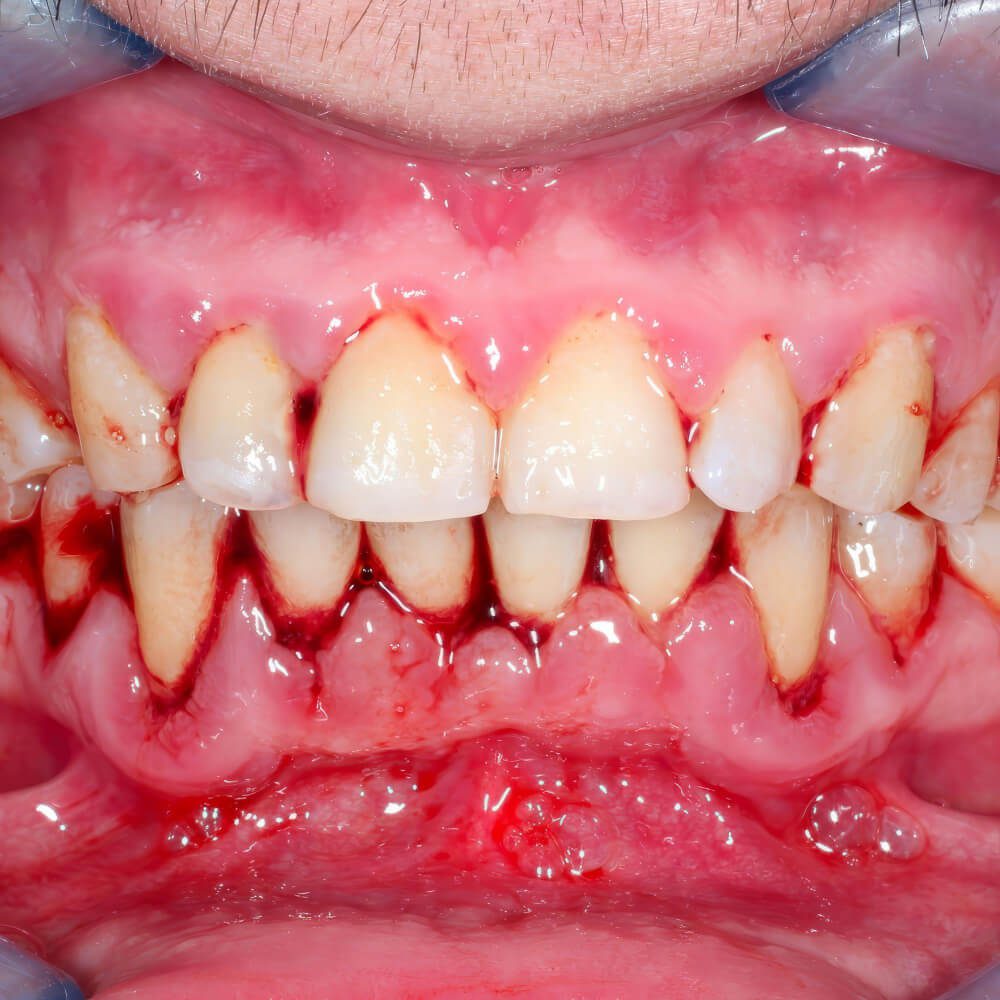
The symptoms of gum disease can range from subtle to severe. Early signs may include redness, swelling, and bleeding gums, particularly when brushing or flossing. As the disease progresses, you may experience bad breath, receding gums, and even tooth mobility or loss. It’s crucial to recognize these warning signs early, as prompt intervention can halt the progression and preserve your oral health.
Understanding gum disease is essential for maintaining not only your oral health but also your overall well-being. Research has shown that periodontal disease is linked to various systemic health conditions, including heart disease, diabetes, and respiratory issues. Therefore, prioritizing periodontal health through regular dental check-ups and good oral hygiene practices is vital for preventing gum disease and its potential complications. By being proactive, you can safeguard your smile and your health for years to come.
5. Stages of Gum Disease: From Gingivitis to Advanced Periodontitis
Understanding the stages of gum disease is crucial for maintaining your oral health and preventing further complications. Gum disease typically progresses through three primary stages: gingivitis, periodontitis, and advanced periodontitis, each with distinct characteristics and implications.
**1. Gingivitis**: This is the earliest stage of gum disease, characterized by inflammation of the gums. At this stage, you might notice symptoms such as redness, swelling, and bleeding gums, especially when brushing or flossing. Gingivitis results primarily from the accumulation of plaque—a sticky film of bacteria—on the teeth. The good news is that this stage is often reversible with improved oral hygiene practices, including regular brushing, flossing, and professional cleanings. If addressed promptly, you can restore your gums to a healthy state.
**2. Periodontitis**: If gingivitis goes untreated, it can progress to periodontitis. At this stage, the inflammation extends deeper into the supporting structures of the teeth. The gums may begin to pull away from the teeth, forming pockets that can become infected. You may experience more pronounced symptoms, such as persistent bad breath, changes in bite alignment, and even tooth mobility. While periodontitis is more serious than gingivitis, it can still be managed with professional dental treatment, including scaling and root planing, to remove plaque and tartar buildup.
**3. Advanced Periodontitis**: This is the most severe stage of gum disease, where the damage to the bones and tissues supporting the teeth becomes significant. At this stage, the pockets between the teeth and gums deepen, leading to further gum recession and loss of teeth. Patients might experience pain while chewing, increased tooth mobility, and even loss of teeth. Advanced periodontitis requires aggressive treatment, which may include surgical options to restore gum health, along with a strict regimen of oral care.
Recognizing the signs and symptoms at each stage is vital for early intervention. By understanding the progression from gingivitis to advanced periodontitis, you can take proactive steps to protect your oral health and maintain your beautiful smile. Regular dental check-ups and cleanings, paired with diligent home care, are essential in preventing the advancement of gum disease and ensuring your gums remain healthy.
6. Causes and Risk Factors for Gingivitis
When it comes to gingivitis, understanding the causes and risk factors is essential for effective prevention and management. Gingivitis is primarily caused by the accumulation of plaque—a sticky film of bacteria that forms on your teeth. If not removed through regular brushing and flossing, this plaque can harden into tartar, leading to inflammation of the gums. Poor oral hygiene is the leading culprit, but several other factors can exacerbate the condition.
One significant risk factor is smoking or using tobacco products. These habits not only hinder your body’s ability to fight off infection but also impair blood flow to the gums, making it harder for them to heal. Hormonal changes, particularly during puberty, menstruation, pregnancy, or menopause, can also increase gum sensitivity, making individuals more susceptible to gingivitis.
Certain medical conditions can further elevate risk levels. For instance, diabetes impairs the body’s ability to utilize insulin effectively, which can lead to higher blood sugar levels and subsequently increase the likelihood of gum inflammation. Additionally, individuals with autoimmune diseases, such as HIV/AIDS or lupus, may experience a reduced immune response, allowing gingivitis to develop more readily.
Other lifestyle factors, such as poor nutrition—particularly a deficiency in vitamins C and D—can weaken gum health, while stress can contribute to hormonal fluctuations that impact gum inflammation. Medications that cause dry mouth, such as certain antihistamines, antidepressants, and blood pressure medications, can also lead to dental plaque accumulation, increasing the risk of gingivitis.
Understanding these causes and risk factors is crucial for maintaining optimal oral health. By addressing these issues proactively, you can significantly reduce your chances of developing gingivitis and protect your gums from further complications. Regular dental check-ups and a diligent oral hygiene routine are key components in ensuring your gums remain healthy and inflammation-free.
7. Causes and Risk Factors for Gum Disease
Understanding the causes and risk factors for gum disease is crucial for maintaining optimal oral health. Gum disease, also known as periodontal disease, primarily stems from the buildup of plaque—a sticky film of bacteria that forms on your teeth. If not removed through regular brushing and flossing, this plaque can harden into tartar, leading to inflammation and infection in the gums.
Several factors can contribute to the development of gum disease. Poor oral hygiene is the most common culprit, but other lifestyle choices and health conditions can significantly increase your risk. For instance, tobacco use is one of the leading risk factors, as it not only weakens your immune response but also makes it harder for your gums to heal after an injury. Similarly, a diet lacking in essential nutrients—particularly vitamins C and D—can impair your body’s ability to fight off gum infections.
Certain medical conditions also play a role in the progression of gum disease. Diabetics, for example, are more susceptible due to the increased glucose levels in their saliva, which can enhance bacterial growth in the mouth. Hormonal changes, such as those occurring during pregnancy or menopause, can also make gums more sensitive and vulnerable to infection. Additionally, individuals with compromised immune systems, whether due to medications, diseases like HIV/AIDS, or other factors, may find themselves at a higher risk for gum disease.
Genetics can also be a surprising factor. Some people may be genetically predisposed to gum disease, making it essential for them to be vigilant about their oral health. Other influences include age—gum disease tends to become more prevalent as individuals grow older—and certain medications that cause dry mouth, reducing saliva’s ability to neutralize harmful bacteria.
By understanding these causes and risk factors, you can take proactive steps in your oral care routine. Regular dental check-ups, effective daily hygiene practices, and making informed lifestyle choices can help you combat the onset of gum disease and maintain a healthy, vibrant smile. Remember, prevention is always better than cure, especially when it comes to your oral health!

8. The Role of Oral Hygiene in Preventing Gingivitis and Gum Disease
Oral hygiene plays a pivotal role in preventing both gingivitis and gum disease, acting as your first line of defense against these common yet serious conditions. At the heart of effective oral care is a consistent routine that includes brushing, flossing, and regular dental checkups. Proper brushing technique—using a soft-bristled toothbrush and fluoride toothpaste—should be practiced at least twice a day for two minutes, ensuring that all surfaces of your teeth are thoroughly cleaned. Don’t forget to replace your toothbrush every three to four months, or sooner if the bristles are frayed.
Flossing is equally important, as it removes plaque and food particles from between the teeth and along the gum line, areas where a toothbrush often can’t reach. Aim to floss at least once a day, preferably before bedtime, to prevent the buildup of plaque that can lead to inflammation and infection.
Additionally, consider incorporating an antimicrobial mouthwash into your routine. This can help reduce plaque and fight the bacteria that cause gingivitis and gum disease, providing an extra layer of protection for your gums.
Regular dental visits are also crucial; they not only allow for professional cleanings that remove tartar buildup but also enable your dentist to spot early signs of gingivitis or gum disease that you might miss. Your dental professional can provide personalized recommendations tailored to your specific oral health needs, ensuring you stay on track.
In summary, maintaining diligent oral hygiene is not just about keeping your teeth clean—it’s a proactive measure to safeguard your gums and overall oral health. By making these practices a part of your daily routine, you can significantly reduce your risk of developing gingivitis and gum disease, paving the way for a healthier smile now and in the future.

9. Diagnosis: How are Gingivitis and Gum Disease Detected?
Diagnosing gingivitis and gum disease is crucial for maintaining optimal oral health, as early detection can prevent more serious complications. Both conditions often start subtly, making regular dental visits essential for identifying the early signs.
During a routine dental examination, your dentist or dental hygienist will carefully inspect your gums for any signs of inflammation, which may manifest as redness or swelling. They will also assess your gum pocket depth—the space between your teeth and gums—using a small instrument known as a periodontal probe. Healthy gums typically have a pocket depth of 1 to 3 millimeters, while deeper pockets may indicate the presence of gum disease.
Another key component of the diagnostic process involves measuring levels of plaque and tartar buildup on your teeth. Excessive accumulation can lead to gingivitis, while hardened tartar can irritate the gums and contribute to the progression of gum disease. Your dental professional may also ask about your oral hygiene habits, dietary choices, and any symptoms you’re experiencing, such as bleeding gums, persistent bad breath, or discomfort when chewing.
In some cases, your dentist may recommend additional diagnostic tests, such as X-rays, to evaluate the health of your bone structure and determine whether any bone loss has occurred due to advanced gum disease. This comprehensive approach allows for a clear understanding of your oral health status, enabling your dentist to create a tailored treatment plan aimed at reversing gingivitis or managing gum disease effectively.
Ultimately, regular dental check-ups and open communication with your dental care team are vital. By staying informed about your oral health and adhering to preventive measures, you can significantly reduce your risk of developing more severe gum issues down the line.

10. Treatment Options for Gingivitis
When it comes to treating gingivitis, early intervention is crucial, and fortunately, the options available are both effective and accessible. The primary goal of treatment is to reduce plaque buildup, alleviate inflammation, and restore your gums to a healthy state. Here’s a closer look at the various treatment approaches for gingivitis:
**1. Professional Dental Cleaning:**
The first step in combating gingivitis typically involves a thorough cleaning by a dental professional. During this appointment, the dentist or hygienist will remove tartar and plaque from your teeth and gum line, areas that are often difficult to reach with regular brushing and flossing. This deep cleaning helps to eliminate the bacteria that cause inflammation and allows your gums to begin healing.
**2. Improved Oral Hygiene Practices:**
Post-cleaning, consistent and improved oral hygiene practices are essential. This includes brushing your teeth at least twice a day with fluoride toothpaste and flossing daily to remove food particles and plaque from between your teeth. You may also consider using an antimicrobial mouthwash, which can help reduce bacteria and further aid in the healing process.
**3. Dietary Changes:**
A balanced diet plays a significant role in maintaining healthy gums. Incorporating more vitamin C-rich foods, such as oranges, strawberries, and leafy greens, can boost your immune system and promote gum health. Additionally, reducing sugary snacks and beverages can help minimize plaque buildup, contributing to healthier gums.
**4. Regular Dental Check-ups:**
Once you’ve started your treatment, regular dental check-ups are vital for monitoring your progress. Your dentist will assess your gum health and may recommend further cleanings or adjustments to your home care routine based on your individual needs. Generally, it’s advisable to schedule dental visits at least every six months, but individuals with a history of gum issues may need more frequent appointments.
**5. Possible Medication:**
In some cases, your dentist may prescribe an antibiotic mouth rinse or other medications to help control the bacterial infection causing gingivitis. These treatments can assist in reducing inflammation and promoting healing, particularly when the condition is more severe.
By addressing gingivitis promptly and effectively, you can prevent it from progressing into more serious gum disease. The combination of professional treatment, diligent home care, and regular dental visits can lead you back to optimal oral health, allowing your smile to shine bright once again. Remember, the key to successful treatment is consistency and commitment to your oral hygiene routine—your gums will thank you!

11. Treatment Options for Gum Disease
When it comes to treating gum disease, understanding the stage at which the condition is diagnosed is crucial, as the approach can vary significantly depending on whether you’re addressing gingivitis or more advanced periodontal disease.
For mild cases of gingivitis, treatment often begins with a thorough dental cleaning to remove plaque and tartar buildup from the teeth and gums. This professional cleaning, typically performed by a dental hygienist, sets the foundation for healthier gums and can often reverse early signs of gum disease. Following this, patients are encouraged to adopt a diligent home care routine that includes regular brushing, flossing, and the use of antibacterial mouthwash to maintain gum health.
As gum disease progresses to more severe stages, treatment options may become more complex. In cases of moderate to advanced periodontal disease, a dentist may recommend scaling and root planing, a deep-cleaning procedure that goes beneath the gum line to remove bacteria and smooth out the tooth roots, making it more difficult for plaque to accumulate.
For those with significant gum loss, surgical options may be necessary. Procedures such as flap surgery, which involves lifting the gums back to clean the roots, or bone grafts may be required to restore the supporting structures of the teeth. Additionally, guided tissue regeneration can help promote the growth of healthy gum and bone tissue.
Post-treatment, regular dental check-ups become even more critical. The risk of recurrence is heightened, and ongoing evaluations will help ensure that your oral health is on the right track. Continuous education on effective oral hygiene practices and lifestyle changes, such as quitting smoking and maintaining a balanced diet, can also play a significant role in preventing future gum disease.
Ultimately, the treatment of gum disease is not merely about addressing the current issue but also about fostering an overall commitment to oral health that will keep your smile bright and your gums healthy for years to come.

12. The Impact of Neglected Gum Health on Overall Health
Neglecting gum health can have far-reaching consequences that extend well beyond your mouth. While many people consider oral hygiene to be solely about the teeth, the health of your gums plays a crucial role in your overall well-being. When gum disease, such as gingivitis or its more severe form, periodontitis, is left untreated, it can lead to a cascade of health issues that affect various systems in the body.
Research has shown that the bacteria associated with gum disease can enter the bloodstream, potentially leading to systemic inflammation. This inflammation has been linked to serious conditions such as heart disease, diabetes, respiratory illnesses, and even stroke. In fact, individuals with gum disease are at a higher risk of developing cardiovascular problems due to the inflammation and infection that can spread from the mouth to the heart.
Moreover, the connection between oral health and diabetes is particularly concerning. Poor gum health can make it more difficult to control blood sugar levels, creating a vicious cycle where diabetes exacerbates gum disease and vice versa. This relationship highlights the importance of maintaining healthy gums for those at risk of or living with diabetes.
Additionally, neglected gum health can affect pregnancy outcomes. Pregnant women with untreated gum disease are at a higher risk of experiencing complications such as preterm birth and low birth weight. This underscores the importance of regular dental check-ups and proper oral hygiene, especially during pregnancy.
In summary, the impact of neglected gum health on overall health is profound. It serves as a reminder that caring for your gums is not just about maintaining a bright smile; it’s a vital aspect of safeguarding your overall health. Prioritizing gum health through regular brushing, flossing, and dental visits can help prevent these serious health complications, ensuring a healthier life both in and out of the dentist’s office.

13. Preventive Measures: How to Maintain Healthy Gums
Maintaining healthy gums is crucial for overall oral health and can prevent the progression of gingivitis and gum disease. Fortunately, there are several effective preventive measures you can incorporate into your daily routine to promote gum health and keep your smile radiant.
**1. Mastering Your Brushing Technique:** Start with the basics—brushing your teeth at least twice a day is essential. Use a soft-bristled toothbrush and fluoride toothpaste, and ensure you’re brushing for at least two minutes each time. Pay special attention to the gumline, where plaque tends to accumulate. Consider using an electric toothbrush, which can be more effective at removing plaque and promoting healthy gums.
**2. Flossing Daily:** Flossing may seem tedious, but it’s a vital step in your oral hygiene routine. Flossing removes food particles and plaque from between teeth and below the gumline, areas that your toothbrush can’t reach. Make it a habit to floss at least once a day, preferably before brushing at night, to keep your gums healthy and free from infection.
**3. Rinse with Mouthwash:** Incorporating an antimicrobial mouthwash into your regimen can provide an added layer of protection against plaque buildup. Look for mouthwashes that contain ingredients like chlorhexidine or essential oils that target bacteria. Rinsing daily can help reduce inflammation and promote a healthier gum environment.
**4. Regular Dental Check-ups:** Schedule dental check-ups at least twice a year for professional cleanings and examinations. Your dentist can identify early signs of gum disease and provide treatments to prevent its progression. Regular cleanings remove tartar buildup that brushing and flossing alone can’t eliminate, ensuring your gums stay healthy.
**5. Eat a Balanced Diet:** Nutrition plays a significant role in gum health. A diet rich in vitamins and minerals, particularly vitamin C, calcium, and folic acid, can help strengthen your gums. Incorporate plenty of fruits, vegetables, whole grains, lean proteins, and dairy into your meals. Additionally, limit sugary snacks and beverages that can contribute to plaque formation.
**6. Avoid Tobacco Products:** Smoking and the use of other tobacco products are major risk factors for gum disease. They can impair blood flow to the gums, making it harder for your body to fight off infections. Quitting tobacco can significantly improve your gum health and overall well-being.
**7. Manage Stress:** Stress can negatively impact your immune system, making you more susceptible to gum disease. Practice stress-reducing techniques such as meditation, exercise, or engaging in hobbies you enjoy. Taking care of your mental health is just as important as your oral hygiene.
By implementing these preventive measures into your daily routine and remaining vigilant about your oral care, you can maintain healthy gums and reduce the risk of gingivitis or advanced gum disease. Remember, healthy gums are the foundation for a beautiful smile, so make your oral health a top priority!

14. When to See a Dentist: Signs You Shouldn't Ignore
Maintaining optimal oral health is crucial, and knowing when to seek professional help can make all the difference in preventing more serious issues. While some discomfort and minor symptoms may seem manageable, certain signs should never be ignored as they may indicate the onset of gingivitis or more severe gum disease.
One of the first red flags is persistent bad breath, or halitosis, that doesn’t go away with regular brushing or mouthwash. This can be a sign of an underlying infection or the buildup of plaque and tartar. Additionally, if you notice your gums bleeding during brushing or flossing, this is not a normal occurrence and should prompt a visit to your dentist. Healthy gums should be firm and pale pink, not swollen, red, or sensitive.
Another important indicator is the presence of gum recession. If your teeth appear longer than usual or you can see more of your tooth roots, it may signal that your gums are pulling away from your teeth, a condition that can lead to increased sensitivity and even tooth loss.
Changes in the texture of your gums or the appearance of pockets forming between your teeth and gums can also be cause for concern. These pockets can trap food and bacteria, leading to further inflammation and infection.
Lastly, persistent discomfort or pain in your gums or teeth—especially if it’s accompanied by swelling, pus, or fever—should never be dismissed. These symptoms can indicate an infection that needs immediate attention.
If you experience any of these warning signs, don’t hesitate to make an appointment with your dentist. Early intervention is key to managing gingivitis and gum disease effectively, allowing you to maintain a healthy smile for years to come. Remember, your oral health is an integral part of your overall well-being, and timely dental visits can save you from more complex treatments down the road.

15. Conclusion: Prioritizing Gum Health for a Lifetime of Smiles
In conclusion, prioritizing gum health is essential for maintaining a lifetime of smiles. While gingivitis and gum disease may seem similar, understanding the distinctions between the two can empower you to take proactive steps in caring for your oral health. Gingivitis, characterized by inflammation and irritation of the gums, is often reversible with proper dental hygiene practices and regular check-ups. However, if left untreated, it can progress to more severe gum disease, which not only threatens the health of your gums but can also lead to tooth loss and has been linked to other systemic health issues.
By incorporating simple yet effective habits into your daily routine—such as brushing twice a day with fluoride toothpaste, flossing daily, and scheduling regular dental visits—you can significantly reduce your risk of developing gum problems. Additionally, being mindful of your diet, avoiding tobacco products, and managing stress can further enhance your gum health.
Ultimately, prioritizing your gum health is not just about preserving your teeth; it’s about investing in your overall well-being. Healthy gums contribute to a radiant smile, increased confidence, and can even play a role in your overall health. So, take the knowledge you’ve gained here to heart, and make a commitment to nurture your gum health today. Your future self—and your smile—will thank you.