
Dental Treatment Under General Anesthesia in the Hospital : The Safe Solution for Children and Special Needs Cases (Dr. Mohamed Omara’s Expertise)
Dental Treatment Under General Anesthesia: A Final Farewell to Fear and Pain
Many people feel anxiety and stress at the idea of visiting the dentist. This is a natural feeling that can, in some cases, develop into what is known as “Dental Phobia.” These feelings can prevent people from getting the necessary care, which leads to a decline in their oral health and the emergence of more complex problems. In this context, dental treatment under general anesthesia emerges as an advanced medical solution, specifically designed to provide a pain and stress-free experience. This procedure is not just a treatment; it is a comprehensive medical experience that guarantees the highest levels of comfort and safety, enabling cases that require extensive and complex interventions to be completed in a single session.
This comprehensive guide aims to shed light on all aspects of this procedure, from its scientific basis and practical stages to its financial considerations and expected side effects. The goal is to provide the reader with a deep and comprehensive understanding that reassures them and gives them the confidence to make an informed decision about their health. Providing accurate and detailed information about this medical procedure effectively builds trust with potential patients and affirms the professional standing of the medical institution providing the service.
1. What is Dental Treatment Under General Anesthesia? Understanding the Medical State
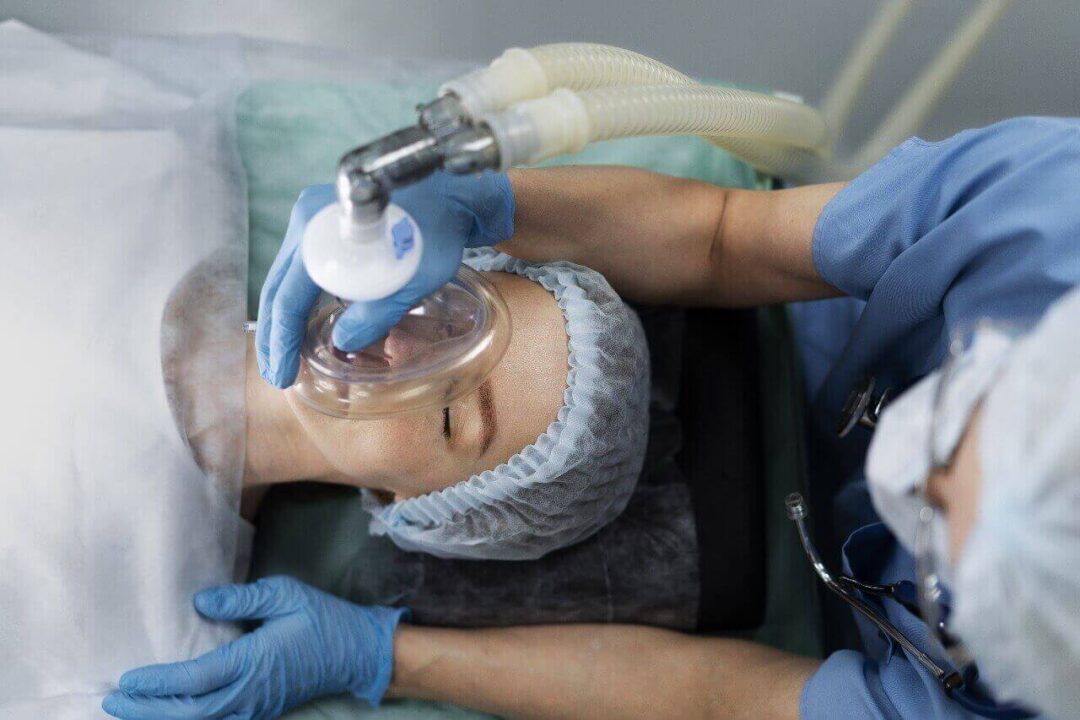
Dental Treatment Under General Anesthesia is a controlled medical state of “deep sleep,” in which the patient completely loses consciousness and the sensation of pain. This state differs from normal sleep, as the central nervous system is temporarily shut down, preventing the brain from receiving sensory signals and ensuring the patient does not feel or remember anything from the procedure.
This state is achieved through two main methods:
Intravenous Anesthesia: The anesthetic drug is injected directly into the bloodstream through an IV line, which is the most common method.
Inhalation Anesthesia: Anesthetic gases are inhaled through a face mask.
During the procedure, the anesthesiologist is responsible for maintaining this state of “sleep” in a stable and safe manner, constantly monitoring all of the patient’s vital signs with extreme precision to ensure the procedure goes smoothly.

2. The Specialized Medical Team: The Cornerstone of Safety
Dental treatment with sedation is not the sole responsibility of a dentist; it is a collaborative effort by a complete team that works in perfect harmony to ensure the patient’s safety. This team includes qualified specialists in specific roles:
The Anesthesiologist: This is the cornerstone of the procedure. Their role goes beyond simply administering the anesthetic drug; they are responsible for continuously and accurately monitoring the patient’s vital signs. This includes measuring blood pressure, heart rate, blood oxygen levels, and body temperature.
The Dental Surgeon: They perform all the planned treatments, taking advantage of the patient’s completely stable state. This condition allows them to work with extreme precision and without any rush, which contributes to achieving better and more accurate results in a single session.
The Nursing Team: They provide the necessary support for both the dentist and the anesthesiologist. They are responsible for preparing instruments, assisting the doctors, and monitoring the patient before and after the procedure.
3. Perché in Ospedale e non in Clinica? L'Ambiente a Massima Sicurezza
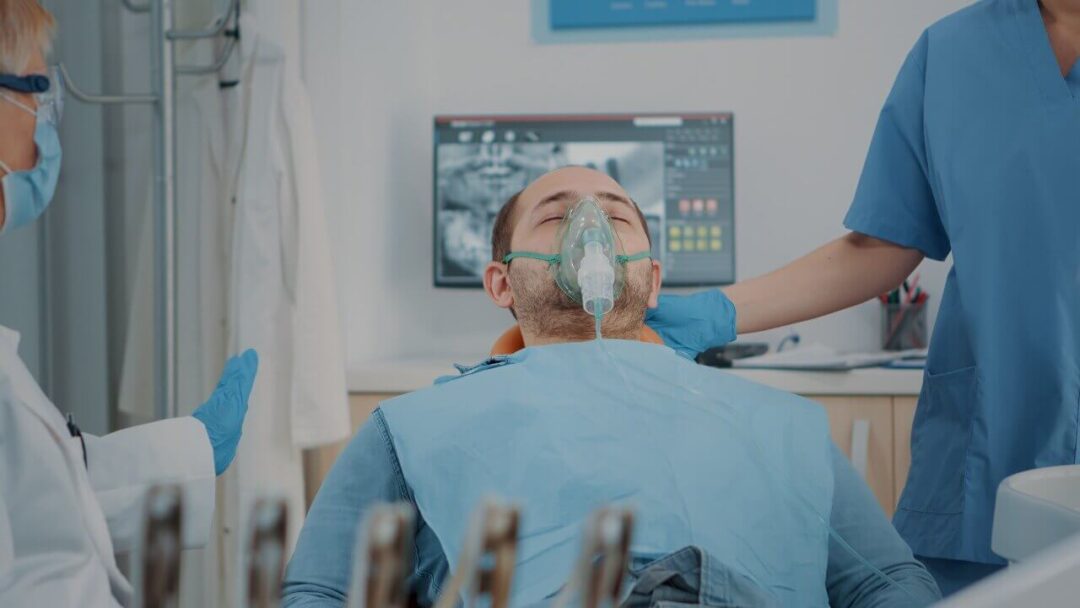
This procedure is performed in a fully equipped hospital environment for several key reasons, primarily to ensure the highest levels of safety. Unlike regular clinics, hospitals provide the following:
Advanced Monitoring Devices: Hospitals are equipped with the latest vital signs monitoring devices, which provide accurate and immediate data on the patient’s condition.
Availability of an Emergency Team: In the very rare event of a medical emergency, a complete emergency team is immediately available to provide assistance.
A Sterile and Equipped Environment: Operating rooms in hospitals are designed to be completely sterile and equipped with the latest surgical equipment, which reduces the risk of infection.
4. Who Are the Ideal Candidates for This Service?
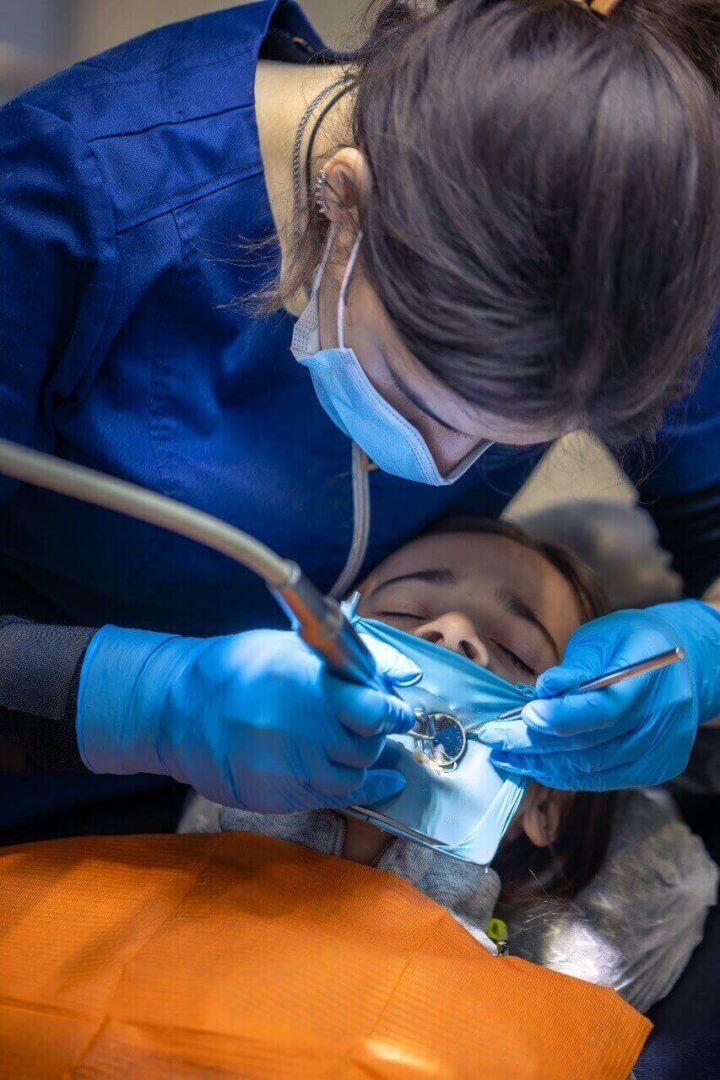
Dental Treatment Under General Anesthesia is not a luxury option; it is a critical need for many cases that require special care. This type of treatment represents a radical solution for patients who face challenges that prevent them from getting traditional care in clinics.
To Overcome Dental Phobia: Dental phobia is a real condition that can cause panic attacks, an increased heart rate, sweating, and many other physical and psychological symptoms that prevent a patient from sitting in the dental chair. Dental Treatment Under General Anesthesia completely breaks this vicious cycle, allowing the patient to get the necessary treatment without remembering the experience, which restores their confidence in future visits.
The Optimal Solution for Pediatric Dentistry: This service is ideal for children who cannot sit still or who need comprehensive treatment for more than one tooth, such as cases of advanced decay (Early Childhood Caries). General anesthesia ensures the child receives the necessary treatment in a safe and comfortable environment, which protects their oral health and prevents any bad memories that could affect their future relationship with the dentist.
For Individuals with Special Needs and Complex Health Conditions: Dental treatment under general anesthesia is the optimal solution for patients who have health conditions that prevent them from undergoing traditional clinic treatment. These cases include:
Autism Spectrum Disorder: Where it may be difficult for the patient to adapt to the clinic environment or accept the instruments used.
Cerebral Palsy: Which can cause involuntary movements that impede the doctor’s work and make treatment dangerous.
Epilepsy: Where anesthesia ensures the patient’s safety and prevents any seizures during the procedure.
Cardiac or Respiratory Diseases: In some cases, treatment can be done under the supervision of a specialized medical doctor in the hospital to ensure the stability of the patient’s condition.
5. The Complete Treatment Journey: From Preparation to Recovery
Your journey with us is designed to be free of stress from start to finish.
Phase One: Pre-Procedure Preparation
Initial Consultation: The process begins with a meeting with the dentist to discuss your condition, your expectations, and to perform initial examinations such as X-rays.
Comprehensive Medical Evaluation: The anesthesiologist will review your medical history in detail and request some medical tests if necessary, such as blood tests, to ensure you are fully qualified to undergo general anesthesia.
Phase Two: The Day of Treatment at the Hospital
Admission: At the scheduled time, you will arrive at the hospital with an adult companion. You will be admitted to the day surgery unit and provided with appropriate attire.
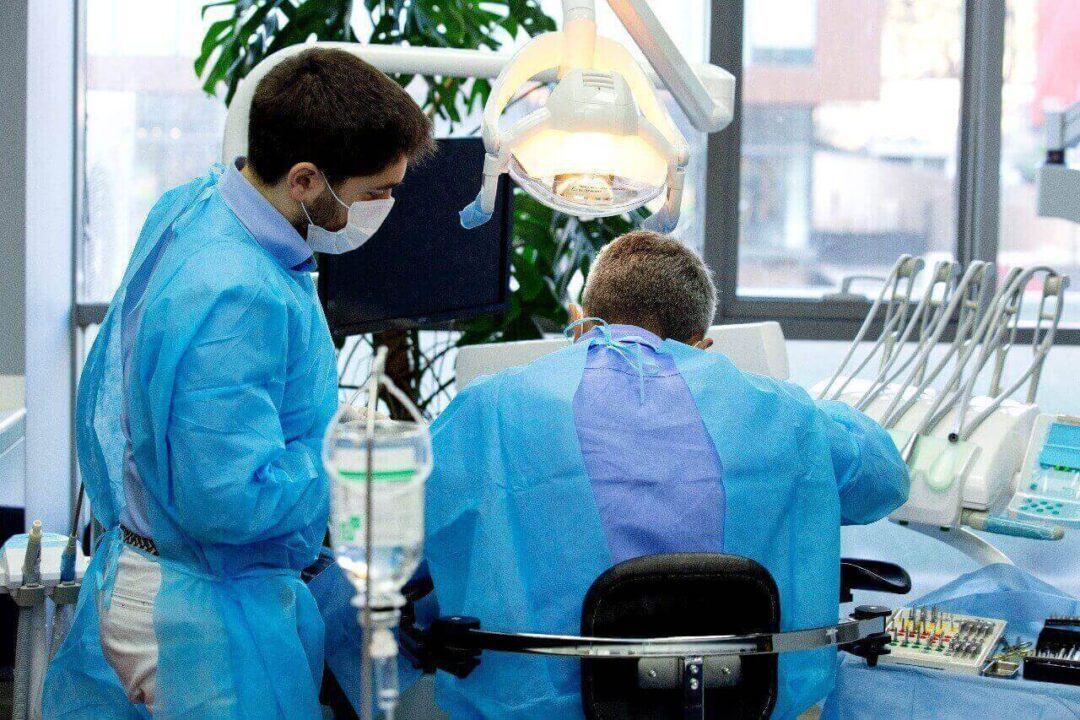
Preparation: The medical team will connect you to monitoring devices and an IV line to administer medications and fluids, and you will be under continuous observation.
Anesthesia Administration: The anesthesiologist will administer the specific medication. You will feel very drowsy and then enter a state of deep, comfortable sleep.
Starting Treatment: Once the anesthesia team confirms that you are in a stable state, the dentist begins to work, performing all the planned procedures calmly and with complete focus.
Phase Three: Awakening and Recovery
Awakening: After the procedure is over, you will be gradually awakened and transferred to the recovery room. You will be under continuous observation and may feel some dizziness or drowsiness, which is completely normal.
Post-Treatment Instructions: You will receive detailed instructions on how to care for your mouth, your diet, how to handle any discomfort after the treatment, and future follow-up appointments.
Frequently Asked Questions about Dental Treatment Under General Anesthesia (FAQ)
Modern general anesthesia is considered extremely safe, especially when performed in an equipped hospital setting under the supervision of a specialized medical team. The highest priority is given to safety through:
Continuous Monitoring: Safety protocols include meticulous monitoring of all the patient’s vital functions, such as heart rate, blood pressure, and blood oxygen level, throughout the entire procedure.
Specialized Anesthesia Team: The anesthesiologist is primarily responsible for this monitoring and has the capability to deal with any emergency immediately and effectively, ensuring the patient’s safety at every moment.
General anesthesia is resorted to in order to ensure treatment quality and patient safety, and it is the ideal solution in the following cases:
Severe Dental Phobia: For patients suffering from intense anxiety and fear that prevents them from sitting in the dental chair.
Pediatric Dentistry: For children who require extensive, comprehensive treatment and do not respond to local or conscious sedation methods.
Special Needs: For patients with health conditions (such as Autism or Cerebral Palsy) that require absolute stillness to complete the procedure.
Complex Procedures: Extensive surgical operations or cases that require completing all procedures (fillings, extractions, root canals) in one long session.
Most side effects of general anesthesia are minor and temporary, and include:
Nausea or Vomiting: This is typically managed with specific medications administered after waking up.
Dizziness and Drowsiness: This feeling may persist for hours after the operation, which is why having an escort is necessary for the patient.
Sore Throat or Muscle Aches: Stiffness or hoarseness may occur and typically disappears quickly.
Anesthesia’s Effect on Memory: There is no scientific evidence confirming that modern general anesthesia affects memory or cognitive functions in the long term in healthy individuals. Any feeling of confusion or forgetfulness is very temporary and subsides once the effects of the medications have completely worn off.
The most crucial safety instructions require:
Complete Fasting: There must be a complete cessation of food and drink for a period ranging from 6 to 8 hours before the scheduled time to prevent serious complications during anesthesia.
Regular Medications: You must inform the medical team of all medications, nutritional supplements, and vitamins you are taking. The anesthesiologist will guide you on which medications to stop taking or adjust their dosage before the procedure.
Initial Recovery: Takes one to two hours in the hospital’s monitoring room.
Full Recovery: Most patients can return to their normal routine within one or two days after the procedure.
Feeling Pain: Dr. Mohamed Omara’s team ensures your complete comfort. You will be provided with pain relievers (Pain Management) to take after waking up, which helps control any discomfort you may feel after the effect of the local or general anesthesia wears off.
The cost depends on several main factors:
Type of Treatment and Number of Procedures: The cost is directly proportional to the number of required procedures and the extent of the treatment.
Duration of the Procedure in the Operating Room: The cost is calculated based on the time the procedure takes under anesthesia.
Hospital and Medical Team Fees: This includes the fees for using the operating room and hospital, and the professional fees of the specialized anesthesiologist.

7. Why Choose Dr. Mohamed Omara Dental Centers for This Procedure?
Choosing Dr. Mohamed Omara’s dental centers is choosing extensive experience, professionalism, and peace of mind. We have dedicated our work to providing the highest levels of healthcare, and our dental treatment under general anesthesia service is a direct reflection of this commitment.
ISO Global Quality Certification and Academic Expertise: We are proud that our centers have the ISO Global Quality Certification, which confirms our commitment to applying the highest standards of quality and sterilization in every step of the treatment journey. This commitment is reinforced by our academic excellence, as Dr. Mohamed Omara holds a Master’s degree in Orthodontics and Cosmetic Dentistry from the University of Parma, Italy, which ensures that every treatment provided is based on the latest international knowledge and techniques.
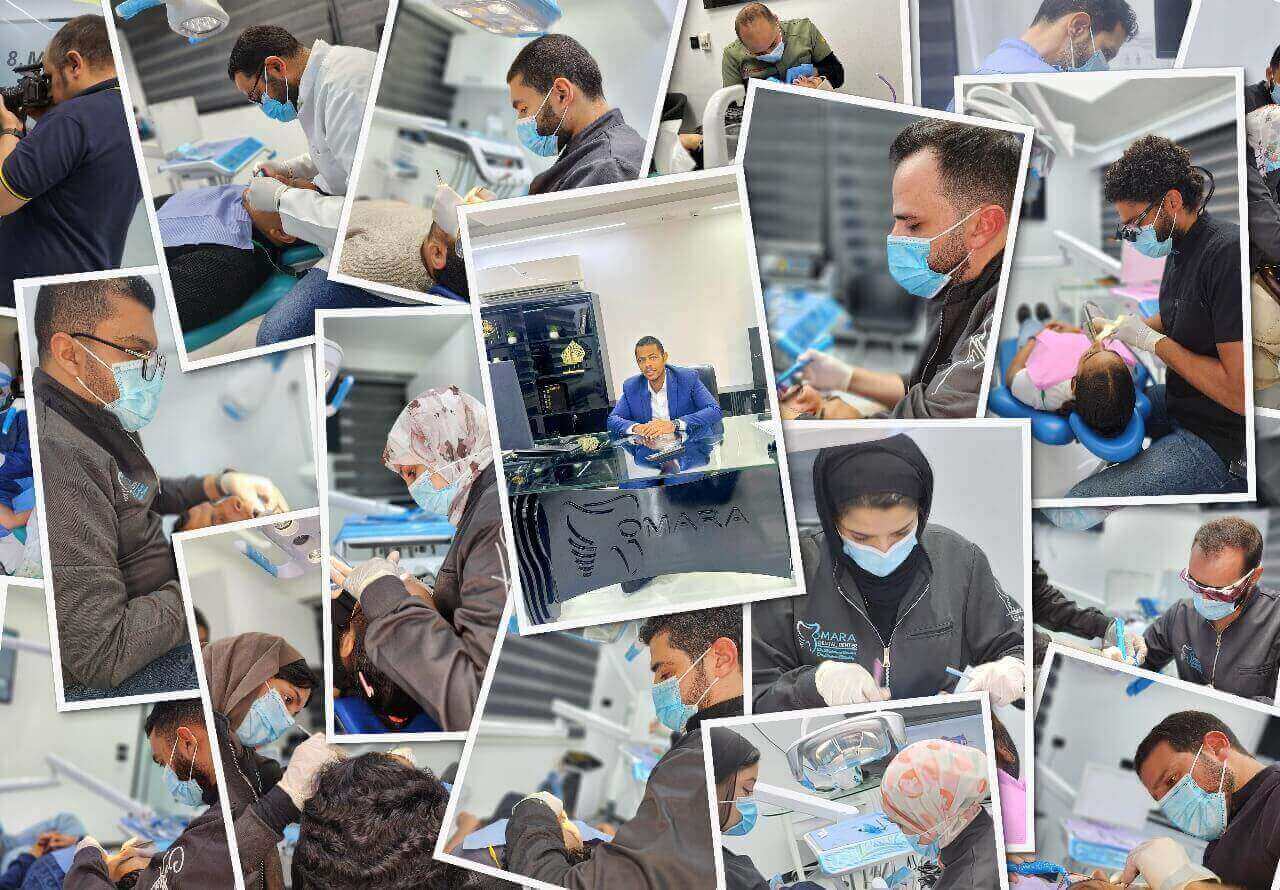
A Specialized Medical Team in All Fields of Dentistry with Extensive Practical Experience: At Dr. Mohamed Omara’s centers, the procedure is not performed by an ordinary dentist, but under the supervision of a complete medical team, led by Dr. Mohamed Omara, who has extensive experience and a reputable name in the field of dentistry.
Our experience in performing a large number of complex procedures under Dental Treatment Under General Anesthesia is what makes this procedure not a difficult matter for us, which most clinics cannot do. Thanks to this practical experience, this type of procedure has become a routine and easy process for our team, which gives the patient an additional sense of complete reassurance. Our team includes specialists in all departments of dentistry, from oral surgery and dental implants to pediatric dentistry, root canals, and gum treatment, which ensures you receive the most specialized and efficient care, no matter your condition.
Partnerships with Reputable Hospitals: We do not only offer medical expertise within our clinics; we also expand the scope of our care to include cooperation with a select group of reputable hospitals. This ensures that the procedure is performed in a fully equipped medical environment with the latest devices and technologies, and the availability of a ready emergency team, which gives the client a sense of complete safety.
Personal and Continuous Care: At Dr. Mohamed Omara’s centers, every patient is a priority. We believe that the treatment journey begins with the first consultation and does not end when you leave the hospital. We accompany you every step of the way, from preparing for the procedure, to the day of treatment, all the way to detailed follow-up afterward, to ensure your full recovery and complete satisfaction with the results.
8. A Comparison Between Dental Treatment Under General Anesthesia and Conscious Sedation
It is very important to understand the fundamental differences between general anesthesia and conscious sedation, as the choice of the appropriate type depends on the patient’s condition and the type of procedure required. Here is a detailed comparison between them:
Degree of Consciousness:
General Anesthesia: Puts the patient in a state of “deep sleep” and complete loss of consciousness. The patient does not respond to any stimuli and does not remember anything from the procedure.
Conscious Sedation: Leaves the patient in a state of deep relaxation, but they remain partially conscious and able to respond to simple instructions. The patient does not feel anxiety or fear but may remember some part of the procedure.
Method of Administration:
General Anesthesia: Medications are often administered through an IV line or by inhaling anesthetic gases through a mask, and a breathing tube is placed to ensure a safe airway.
Conscious Sedation: It is usually administered by inhaling nitrous oxide (laughing gas) through a mask, or through oral medications.
Suitable Cases:
General Anesthesia: It is the optimal choice for complex cases that require a long time, patients who suffer from severe dental phobia, young children, or individuals with special needs who cannot cooperate.
Conscious Sedation: It is used for simple and medium cases, patients who suffer from mild to moderate anxiety, or those who need short procedures.
Medical Team:
General Anesthesia: Requires the presence of a specialized anesthesiologist to continuously monitor the patient’s vital signs throughout the duration of the procedure.
Conscious Sedation: It can be performed by the dentist themselves if they are qualified to do so, with an assisting nurse.
Recovery Period:
General Anesthesia: Requires a recovery and observation period after the procedure that may last for several hours before the patient can leave.
Conscious Sedation: Its effect wears off very quickly after the gas inhalation is stopped, and the patient can return to their normal activity quickly.

9. Egypt as a Destination for Dental Tourism
Egypt has become a global destination for medical tourism, especially in the field of dentistry. This excellence is due to several factors that combine the quality of medical services with the country’s tourist appeal:
Expertise and Competence of Doctors: Egyptian medical staff, led by Dr. Mohamed Omara, are distinguished by their high level of expertise and competence, as they apply the latest international standards and techniques. Medical centers in Egypt are equipped with the latest devices and technologies, which ensures excellent results that are comparable to the best centers in the world.
Affordable Cost: Egypt offers medical services at competitive prices compared to many other countries, which allows patients to receive high-quality care at a reasonable cost.
Tourist Attraction: A Treatment Trip that Turns into an Unforgettable Vacation What distinguishes the treatment experience in Egypt is the opportunity to combine superior medical care with enjoying the beauty and great history of the country.
Patients can spend their recovery period exploring Egypt’s archaeological treasures, such as the Pyramids of Giza and the Sphinx, which are considered wonders of the world. They can also visit the ancient Pharaonic temples in Luxor and Aswan and learn about the rich Egyptian civilization. In addition, the mild and sunny weather in coastal cities such as Sharm El Sheikh and Hurghada gives them the opportunity to relax and recover on the charming beaches of the Red Sea. These factors combined turn a treatment trip into a unique and unforgettable experience.
Conclusion: Your Decision for a Healthy Smile
Dental treatment under general anesthesia is the perfect solution to prevent fear and anxiety from being an obstacle to your oral health. It is a decision that guarantees you a healthy and safe smile, while benefiting from the technology and medical expertise that make this experience easy and comfortable. Remember that choosing the right center is the first step towards success, and Dr. Mohamed Omara’s centers stand out as a trusted option for providing the highest levels of quality and safety.