
The Importance of Regular Dental Visits: More Than Just a Smile!
Introduction: Why Do We Fear the Chair That Protects Our Health?
Oral and dental health is an integral part of the body’s overall health. However, many tend to neglect it, and the routine visit to the dentist is often postponed until unbearable pain is felt. This neglect not only leads to complex and costly dental problems but may also open the door to serious health issues affecting the entire body.
The importance of regular dental visits is not limited to cleaning tartar or filling a cavity; it is a real investment in your health. The prevailing idea that “the dentist is only for sick people” is a wrong and destructive notion. In reality, the dentist is the first line of defense for prevention. In this comprehensive article, we will delve deep into the reasons why periodic dental check-ups are an absolute necessity, and how these simple visits can save you a lot of pain and money, and maintain your overall health.
⏱️ The 30-second summary
- Regular dental visits detect tooth decay and gum disease early, before pain appears.
- Most people are advised to visit every 6 months; some patients need more frequent visits depending on their condition.
- A visit includes a full exam and professional cleaning to remove tartar, with X-rays when needed.
- Routine check-ups help detect early changes in the mouth that need follow-up, including oral cancer.
- Oral health is linked to general health, such as heart disease, diabetes and pregnancy.
- Treating a problem early is easier and less costly than treating it after it gets worse.
Last updated: October 2026 · Dr. Mohamed Omara Dental Centers team
📑 Table of contents
The "Prevention is Better Than Cure" Principle in Dentistry
This principle is the cornerstone of modern dentistry. When we talk about the importance of regular dental visits, we are talking about proactive prevention. Waiting until pain occurs means the problem has already reached an advanced stage.
Cost vs. Benefit: The cost of a routine check-up and teeth cleaning is incomparable to the costs of a root canal treatment, a dental implant to replace a lost tooth, or treating advanced gum disease. A visit every six months is like a cheap insurance policy for your teeth.
Pain vs. Comfort: The discomfort you might feel during a check-up (which is often non-existent) is nothing compared to the pain of an acute dental abscess or nerve inflammation. Regular visits ensure problems are detected in their infancy, when treatment is simple and painless.
Early Detection of Tooth Decay (Before It's Too Late)
Decay is the number one enemy of teeth. It’s a slow process that starts as a small spot on the tooth enamel.
The Silent Stage: In its early stages, decay causes no pain. You might notice a small chalky white or brown spot, but you often won’t feel it.
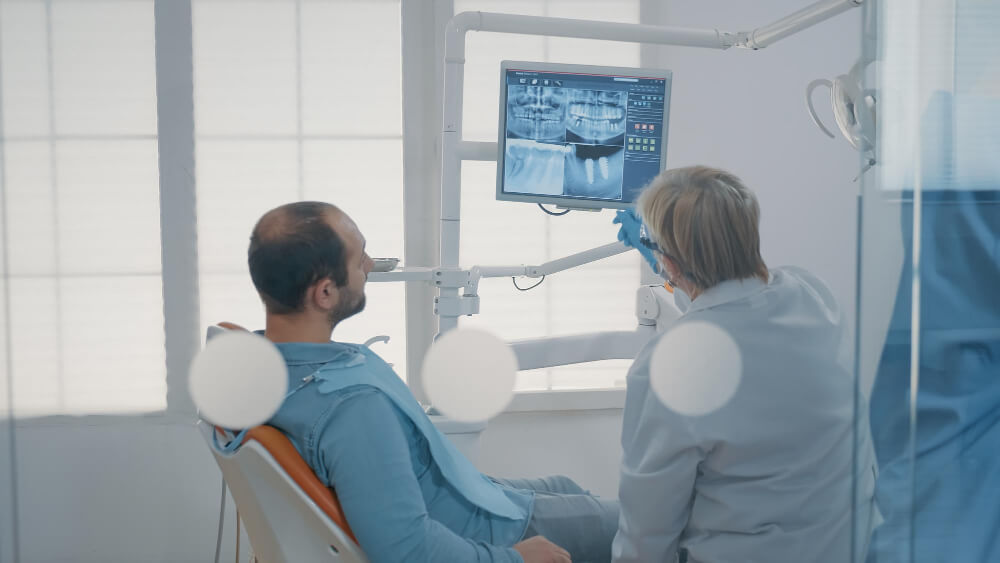
The Dentist’s Role: During a periodic dental exam, the dentist uses specialized tools, powerful lighting (and sometimes X-rays) to detect this initial decay.
Simple Treatment: When decay is caught at this stage, the treatment is very simple (a small cosmetic filling) that preserves almost the entire tooth structure.
The Neglect Scenario: If this visit is neglected, the decay will continue to drill deeper, past the enamel into the dentin layer, and then reach the tooth’s nerve. This is where the real pain begins, treatment becomes complex (root canal) and costly, and you may end up losing the tooth entirely.
📖 Read also: Extraction or root canal
The War on the "Hidden Enemy" (Gum Disease)
Many focus on their teeth and neglect the “soil” that holds them in place: the gums. The benefits of visiting the dentist extend deep to protect your gums.
Plaque and Tartar Formation: Even with the best daily brushing, there are hard-to-reach places. Plaque (a sticky film of bacteria) accumulates there. Over time, this plaque hardens due to minerals in saliva and turns into “tartar” (Calculus).
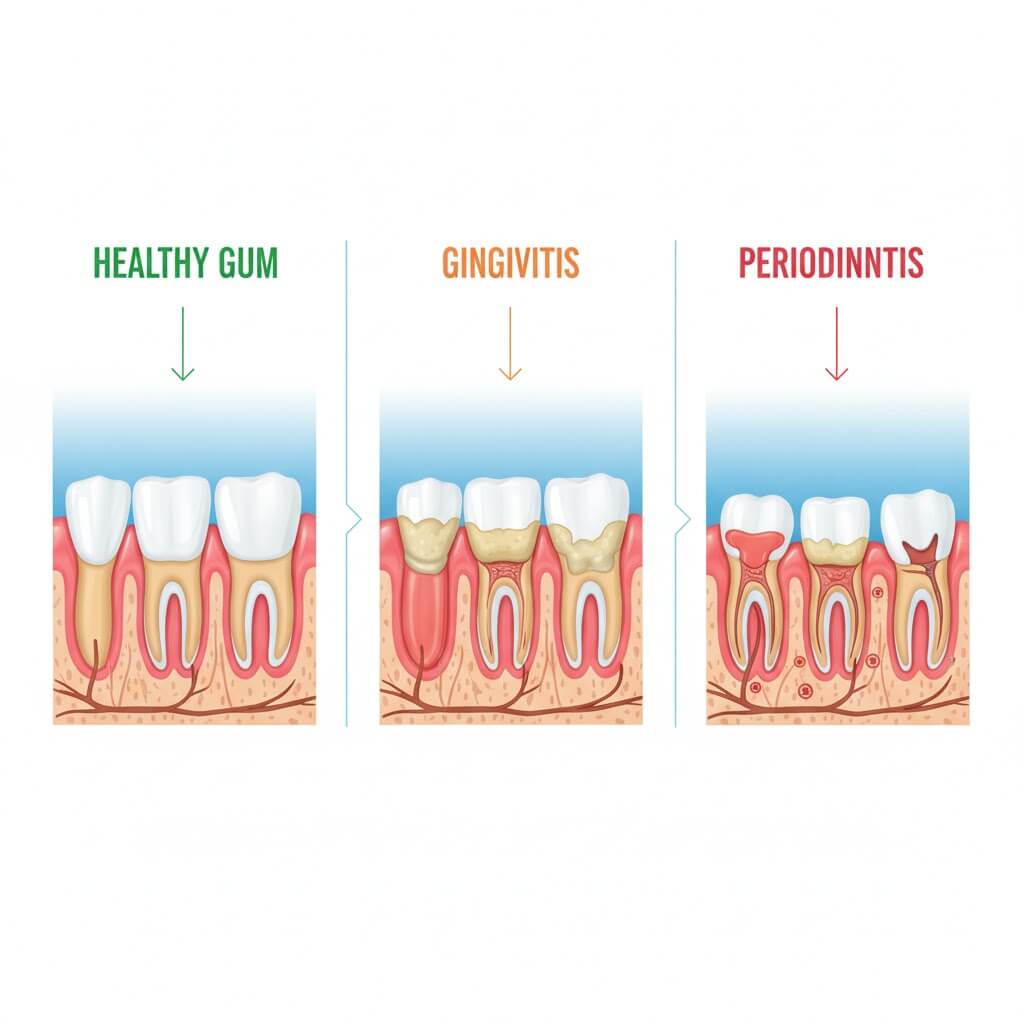
The Real Danger of Tartar: Once tartar forms, it cannot be removed with a home toothbrush. This tartar is a massive bacterial colony that sticks to the tooth (especially below the gumline) and begins to release toxins, causing gum inflammation (Gingivitis).
From Inflammation to Destruction (Periodontitis): If gingivitis is neglected, it progresses to “periodontitis.” Here, the bacteria begin to destroy the bone and ligaments holding the tooth in place. Teeth start to loosen, gum pockets form, and eventually… tooth loss.
The Role of the Routine Visit: Professional teeth cleaning (Scaling) is the only procedure capable of removing this hardened tartar, stopping this disease cycle before it starts, and maintaining healthy, pink gums.
Professional Teeth Cleaning (What Your Toothbrush Can't Do)
Some believe brushing twice a day is enough. It is necessary, but it is not sufficient.
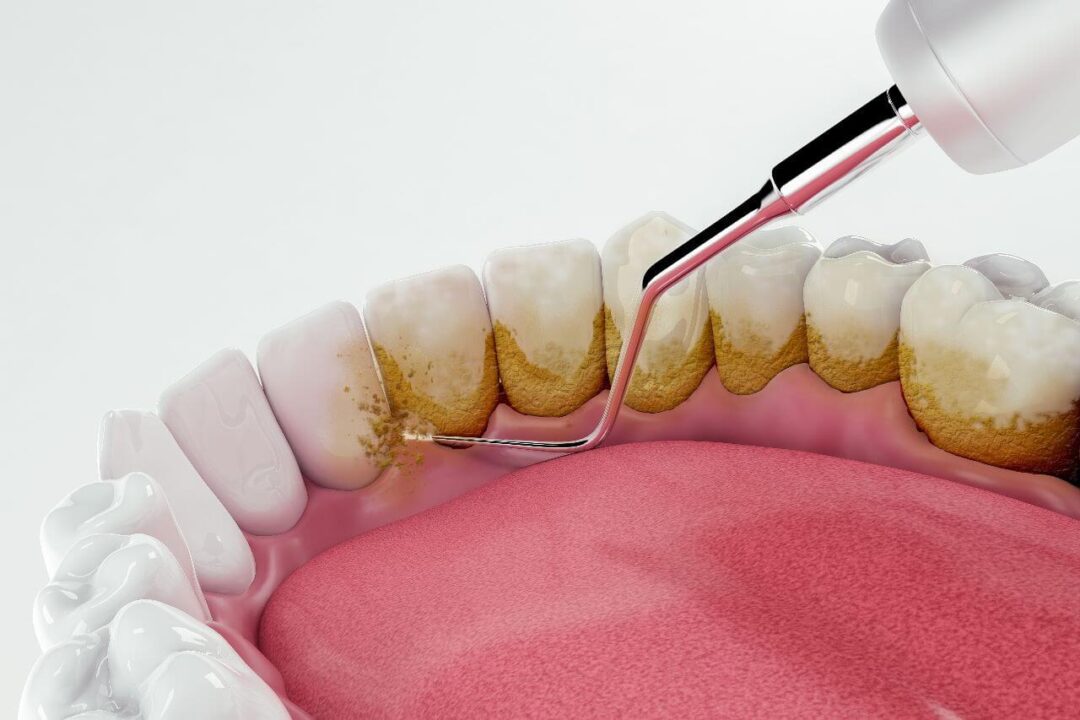
Removing Hardened Tartar: As mentioned, tartar can only be removed with the ultrasonic scaler used by the dentist, which breaks up the tartar without harming the tooth enamel.
Removing Surface Stains: Coffee, tea, and smoking all leave stubborn stains on the teeth. Professional teeth cleaning also includes a “polishing” stage using a special paste that removes these stains and restores the teeth’s natural shine.
Reaching the Impossible Places: The dentist has the tools and the right angle to clean every surface of your teeth, including the areas between teeth and behind the back molars.
📖 Read also: Teeth scaling
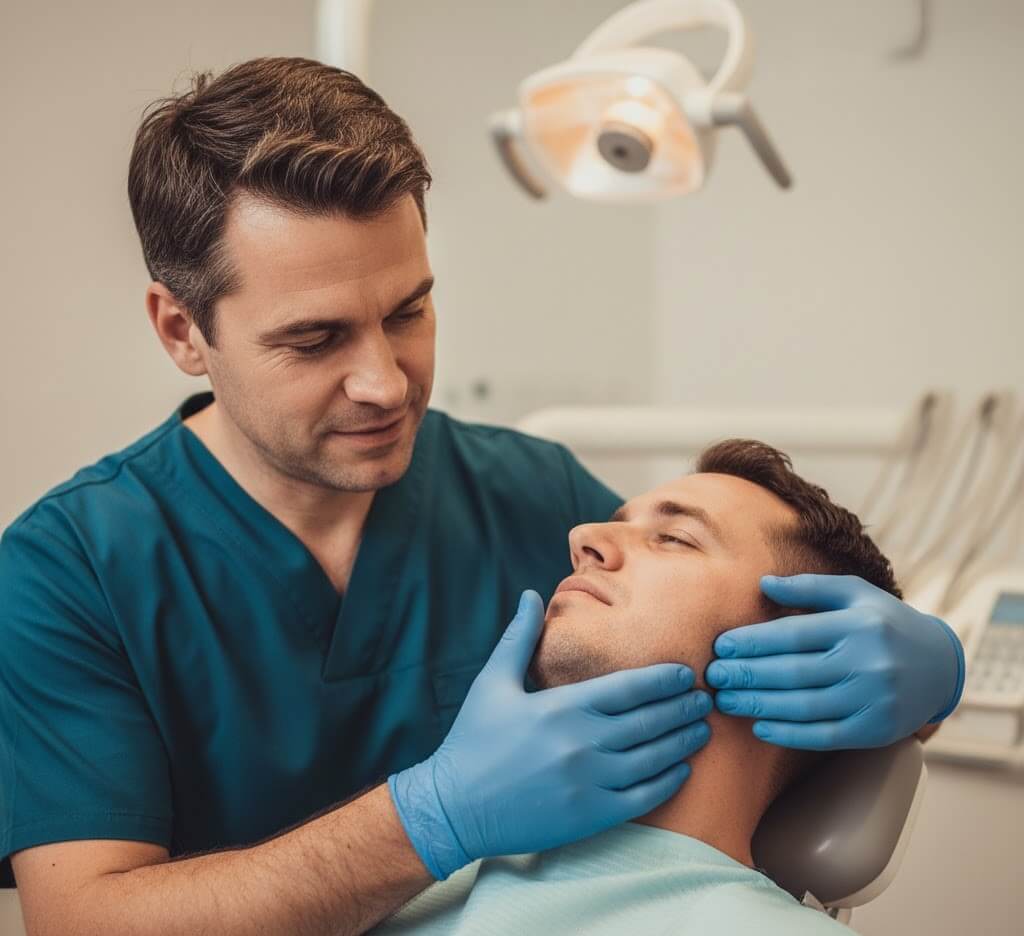
Early Detection of Oral Cancer (A Life-Saving Visit)
This is one of the most overlooked benefits of visiting the dentist. The dentist is not just trained to check teeth and gums; they are trained to examine all the soft tissues in the mouth.
The Comprehensive Exam: During the routine visit, the dentist checks the tongue, inside of the cheeks, roof of the mouth (palate), floor of the mouth, tonsils, and lips.
Looking for Warning Signs: The dentist looks for any non-healing sores, abnormal white or red patches, or any strange swelling or thickening of the tissues.
Survival Rates: If oral cancer is detected in its very early stages, the survival rates are extremely high. But if left to spread, it becomes very difficult to treat and is life-threatening. Your routine visit could literally be “life-saving.”
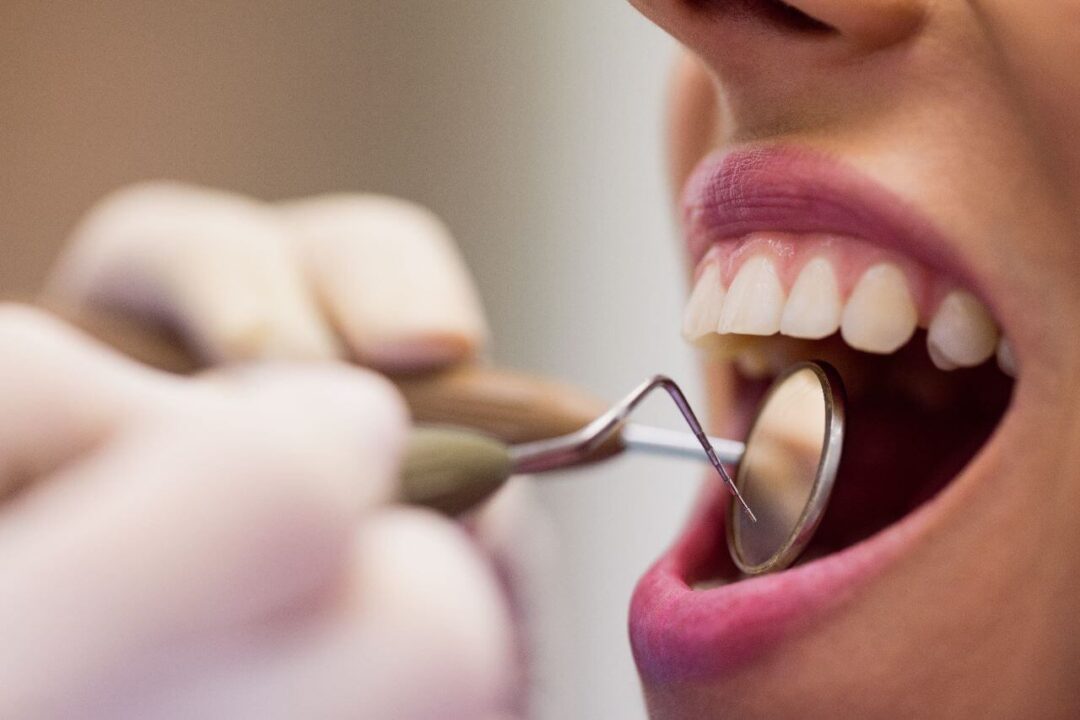
Checking the Integrity of Old Fillings, Crowns, and Restorations
Dental treatments are not eternal. Fillings, crowns (caps), bridges, and dental implants all require maintenance and monitoring.
Wear and Tear of Fillings: Over time, the edges of fillings can wear down or develop micro-cracks, creating a tiny gap between the filling and the tooth. This gap is a perfect gateway for bacteria to start new decay “under the filling” (Secondary Caries), which is insidious because it cannot be seen.
Integrity of Crowns and Bridges: The dentist checks the margins of crowns to ensure there is no gum recession around them that could cause sensitivity or root decay, and ensures they are stable.
The routine visit ensures these minor issues are caught and fixed (like polishing a filling margin or re-cementing a crown) before they escalate into a problem requiring a complete re-treatment.
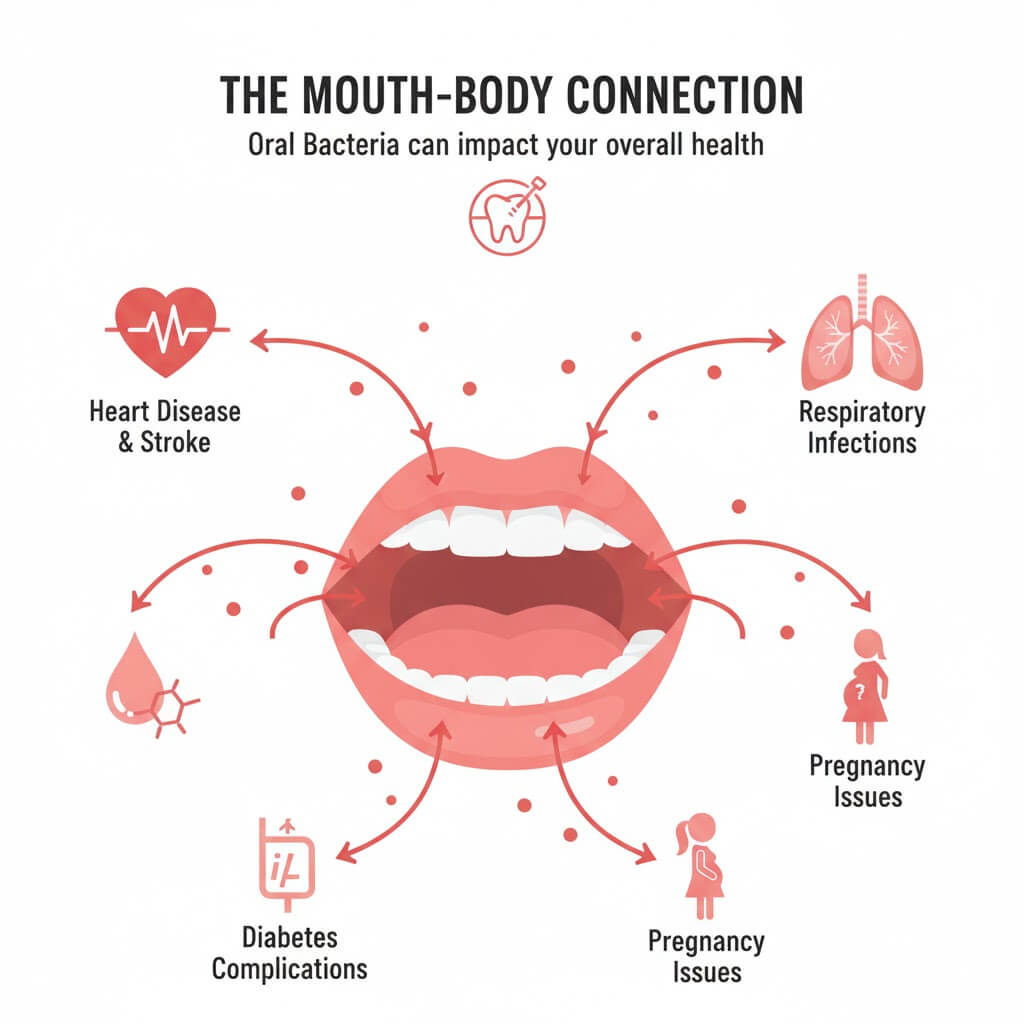
The Link Between Oral Health and General Health: The Mouth is a Gateway to the Body
The mouth is not an isolated island from the rest of the body; it is a precise mirror of general health and a primary gateway to it. The risks of neglecting dental visits do not stop at the mouth’s edge; they extend to become a spark for initiating or worsening serious systemic diseases. Chronic inflammation and harmful bacteria in the mouth, especially those linked to advanced gum disease, do not stay put. They travel through the bloodstream to affect the entire body.
Cardiovascular Disease: How Do Mouth Bacteria Reach Your Heart?
This is the most proven relationship in scientific research. The main link here is “chronic inflammation.”
Mechanism of Transfer: When gums are inflamed (Gingivitis) or infected (Periodontitis), they are ulcerated and bleed easily. This bleeding (even if minor during brushing) is like an “open door” for harmful bacteria (like P. gingivalis) to enter the bloodstream directly.
Atherosclerosis: Once in the blood, these bacteria can attach to fatty deposits in the artery walls (Atherosclerosis). This attachment triggers an inflammatory response in the artery itself, contributing to the thickening of these deposits and making them unstable and more prone to rupture.
Heart Attacks and Strokes: The rupture of these plaques is the direct cause of blood clots that can block coronary arteries (causing a heart attack) or cerebral arteries (causing a stroke).
Endocarditis: In other cases, oral bacteria can travel directly to the heart valves or the inner lining of the heart, causing a serious, life-threatening infection known as infective endocarditis.
Diabetes: A Two-Way Street (A Vicious Cycle)
The relationship between diabetes and gum disease is a devastating two-way street:
Direction 1: Diabetes Worsens Gum Disease: Diabetics, especially those with uncontrolled blood sugar, are more susceptible to severe gum infections. The reason is that high blood sugar weakens the immune system, reduces the body’s ability to fight bacteria, and impairs the tissues’ ability to heal.
Direction 2 (The Most Dangerous): Gum Disease Worsens Diabetes: This is where the real danger lies. Chronic gum disease is a systemic “inflammatory infection.” This constant inflammation in the body raises the level of “Insulin Resistance.” This means the insulin the body produces (or that the patient takes as treatment) becomes less effective at lowering blood sugar.
The Result: The diabetic patient finds it extremely difficult to control their blood sugar levels, even with adherence to medication and diet.
The routine visit to the dentist and effective gum treatment can directly and significantly contribute to improving the body’s response to insulin and lowering the average cumulative sugar (HbA1c).
Respiratory Diseases and the Lungs
The lungs are directly connected to the mouth via the trachea. Bacteria present in high density in a mouth full of tartar and gum infections can easily reach the lungs.
Mechanism of Infection: This happens via what is called “Micro-aspiration,” which is the inhalation of very fine droplets of bacteria-laden saliva from the mouth and throat into the lower respiratory tract.
At-Risk Groups: This is particularly dangerous for the elderly, patients in hospitals (especially on ventilators), and people suffering from chronic lung diseases like Chronic Obstructive Pulmonary Disease (COPD).
The Result: These oral bacteria can cause Pneumonia or exacerbate bouts of chronic bronchitis.
Pregnancy and Birth Complications
During pregnancy, hormonal changes make the gums more sensitive and prone to inflammation (“Pregnancy Gingivitis”). If this inflammation is neglected and develops into periodontitis, the inflammatory substances (prostaglandins) released by the body to fight the bacteria can have a direct negative impact on the pregnancy, as they may increase the risk of preterm birth and having low birth weight babies.
For this reason, the importance of regular dental visits is not just a dental check-up, but a vital health screening to break this vicious cycle of inflammation, protect your heart, help you control diabetes, protect your lungs, and ensure a safe pregnancy.

Eliminating Bad Breath (Halitosis)
Bad breath is an embarrassing social problem, and its source is often the mouth itself.
Main Causes: The primary cause is often the accumulation of bacteria (in tartar or gum pockets) that break down food particles, producing volatile sulfur compounds (which smell bad).
The Dentist’s Role: Professional teeth cleaning removes these bacterial colonies (tartar). The dentist will also check to ensure there are no other causes like deep decay or an abscess.
The Result: A clean mouth not only means healthy teeth but also fresh breath and more confidence.
📖 Read also: Bad breath
What Exactly Happens During a Routine Visit? (Breaking the Fear Barrier)
A lot of fear comes from the unknown. Let’s walk you through, step-by-step, what to expect during a periodic dental exam:
Medical History and Dialogue:
The dentist or assistant will start by asking about any changes in your general health, medications you take, and any problems or pain you’ve noticed.
The Detailed Visual Exam:
Using a small mirror and examination tools, the dentist will check every tooth and surface, examining the gums, tongue, and cheeks.
X-Rays (When Needed):
X-rays aren’t needed at every visit, but they are a vital part of the periodic exam (perhaps once every year or two) to detect decay between teeth or under fillings.
Professional Teeth Cleaning:
Scaling: Using a precise ultrasonic tool (Scaler) to break up and remove hard tartar.
Polishing: Using a small rotating brush and special polishing paste to remove surface stains.
Planning and Consultation:
The dentist will discuss the findings. If all is well, they’ll schedule your next 6-month visit. If any issues are found, they’ll explain the proposed treatment plan.
📖 Read also: Panoramic X-rays and CT scans
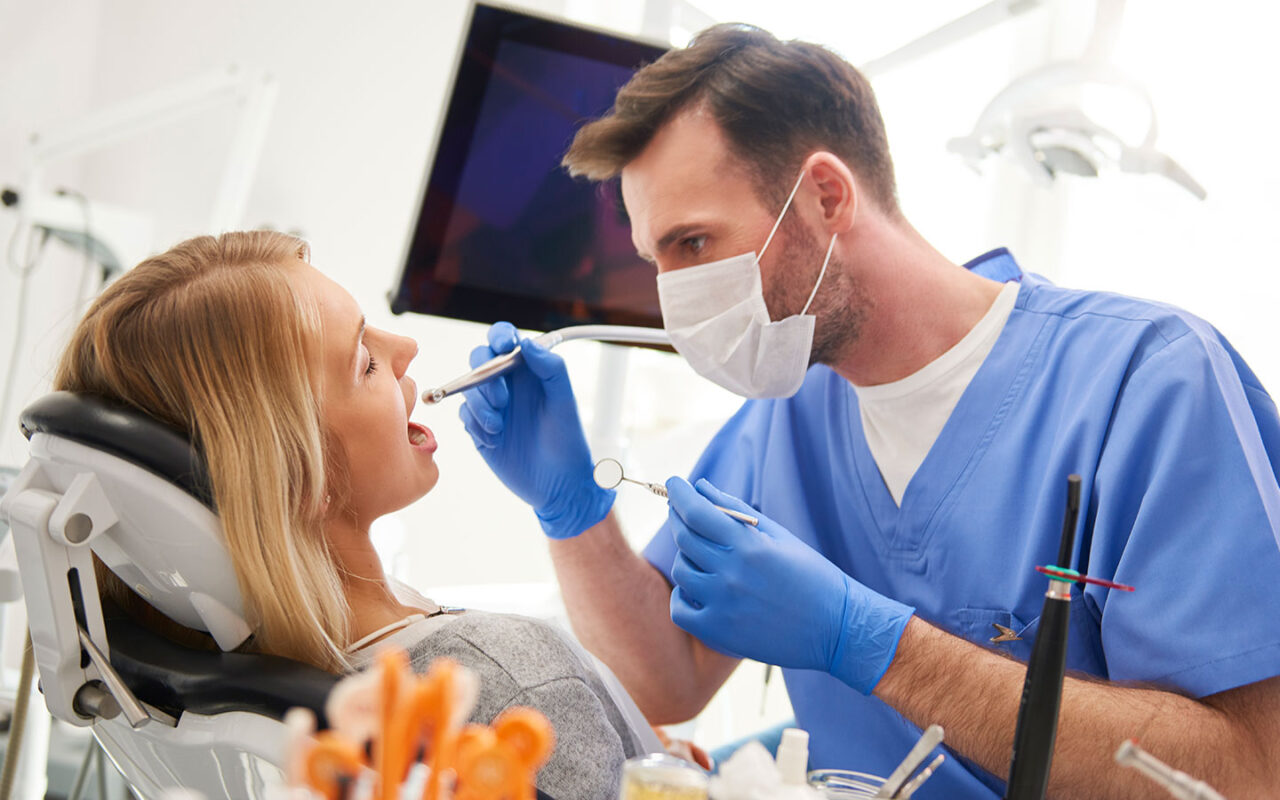
How Often Should You Visit the Dentist? (Scheduling the Appointment)
The golden question: How often should you visit the dentist?
The General Rule: For the majority of adults and children, the rule is once every six months (twice a year). This period is sufficient to catch any problem at its beginning and is the right interval for removing tartar.
Special Cases (More Frequent Visits):
Diabetics: Often need visits every 3-4 months.
Smokers: Need more thorough check-ups and closer follow-up.
(Former) Gum Disease Patients: Need close monitoring (every 3-4 months) to prevent recurrence.
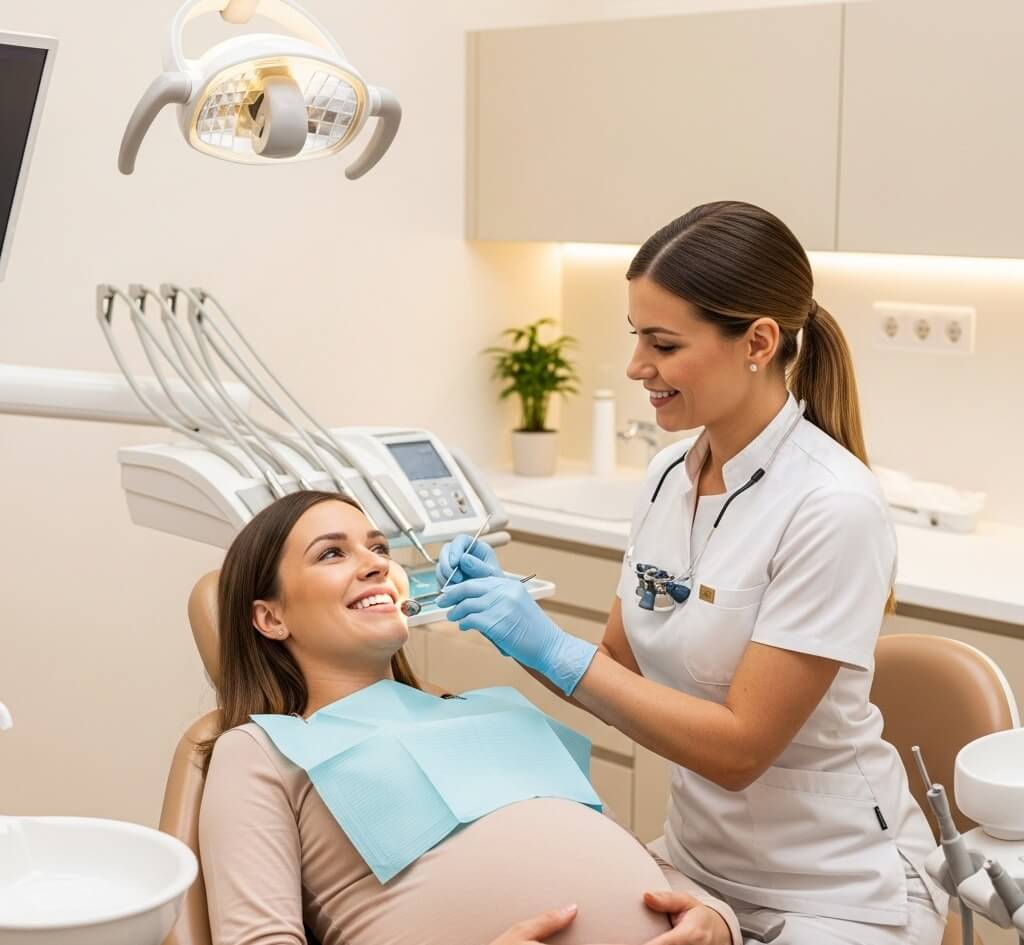
Not a One-Size-Fits-All Rule: The Importance of Routine Visits for Special Needs Groups
Sticking to the “6-month rule” is excellent, but it doesn’t apply to everyone. Some groups need more intensive care and customized visit schedules to ensure tooth decay prevention and gum health.
Pregnant Women:
The Problem: Severe hormonal changes during pregnancy make the gums very susceptible to what is called “Pregnancy Gingivitis,” which causes swelling and bleeding.
The Importance: Neglecting this inflammation can develop and has been linked (according to studies) to an increased risk of premature birth. The routine visit is necessary to control this inflammation and maintain the health of the mother and fetus.
Children (Pediatric Preventive Dentistry):
The Problem: Baby teeth are very important for holding space for permanent teeth. Their rapid decay affects the child’s nutrition and speech.
The Importance: Routine visits (starting at age one) are not just for check-ups, but for applying preventive measures like “topical fluoride” to strengthen enamel and “Sealants” to protect new permanent molars from decay.
Orthodontic Patients (Wearing Braces):
The Problem: The presence of brackets and wires makes brushing and flossing extremely difficult, putting them at “high-risk” for plaque buildup, gum inflammation, and the appearance of white decay spots around the brackets.
The Importance: These patients need to visit their general dentist (for cleaning and check-ups) every 3-4 months in parallel with their orthodontist visits.
The Elderly:
The Problem: They often suffer from “dry mouth” (due to medications), which increases the rate of decay, in addition to checking the stability of dentures and old bridges.
The Importance: Periodic exams to detect any sores under the dentures (which can become serious) and ensure their comfort while chewing.

"I Know It's Important, But I'm Scared!" (Dental Phobia and How Modern Dentistry Overcomes It)
This is the biggest barrier for many. The risks of neglecting dental visits are known, but fear (Dental Phobia) is stronger. Modern dentistry hasn’t just developed tools; it has developed ways to deal with this fear.
Acknowledging the Problem (Roots of Fear):
Pointing out that fear of the dentist is common and normal, often stemming from bad past experiences (in childhood), fear of the sound of tools, or fear of the needle and pain.
Technology’s Role in “Painless Dentistry”:
Effective Local Anesthesia: Pointing out that modern anesthetics are very effective, and a skilled dentist can give the injection slowly and almost painlessly (using topical numbing gel first).
Modern Techniques: Using lasers for some gum treatments reduces bleeding and pain.
Comfortable Environments: The design of modern clinics is no longer hospital-like; it has become comfortable and helps in relaxation.
The Importance of Communication (Choosing the Right Dentist):
Emphasizing that the routine visit builds “trust” between the patient and the doctor.
The doctor’s role in explaining, communicating, listening to the patient’s fears, and stopping immediately if the patient feels any discomfort.
Special Care at Our Centers: At Dr. Mohamed Omara Centers, we consider the “patient’s psychological comfort” a core part of the treatment. Our team is trained to handle every case with the utmost patience and professionalism to break this barrier of fear and ensure a comfortable and safe treatment experience.
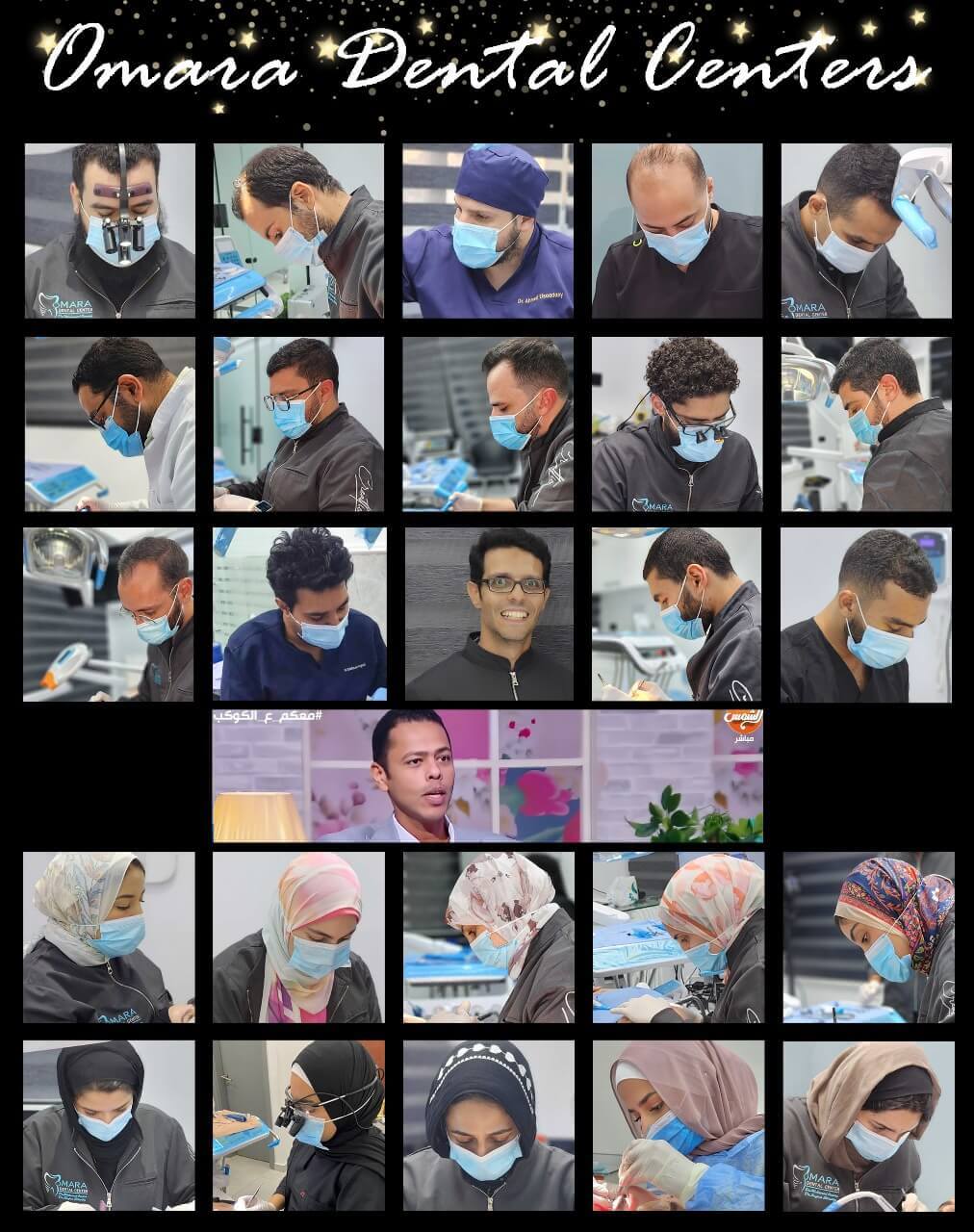
Choosing the Right Center: Quality and Experience as a Decisive Factor
The importance of regular dental visits is directly linked to the quality of service you receive. A check-up isn’t just a “routine cleaning”; it’s a meticulous medical exam that requires experience, honesty, and modern technology. When choosing a dental center, you are not just looking for a place; you are looking for a partner in your health.
At Dr. Mohamed Omara Dental Centers, we believe that prevention is the foundation of all successful treatment. We don’t wait for the problem to happen; we work with you to prevent it.
International Academic Experience: Dr. Mohamed Omara holds a Master’s Degree in Orthodontics and Cosmetic Dentistry from the University of Parma, Italy, ensuring the application of the latest European treatment and preventive protocols.
International Quality Assurance: The centers are ISO Certified, reflecting our commitment to the highest standards of sterilization, material quality, and medical procedures to ensure your safety and comfort.
Direct Medical Supervision: What sets our centers apart is that Dr. Mohamed Omara personally supervises all cases, ensuring every treatment plan, even a simple periodic check-up, is executed with the highest level of precision and professionalism.
Convenience and Accessibility: To ensure your continuity in routine visits, we provide our services in our fully equipped branches in Mohandessin (5 Gamaet El Dowal El Arabiya St.) and First Settlement (Newme Medical Hub).
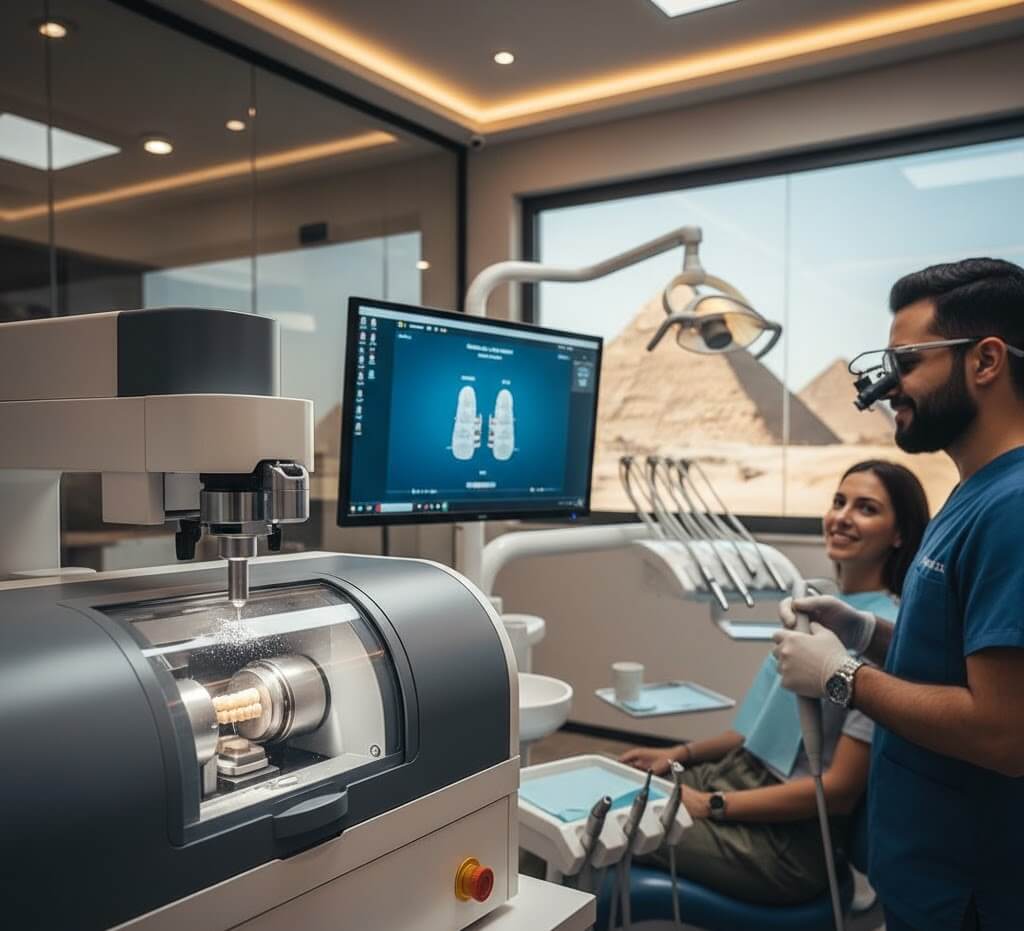
Egypt as a "Beacon" of Modern Dentistry: A Leading Destination for Dental Tourism
Egypt is no longer just a famous tourist destination; in recent years, it has emerged as a true “beacon” in modern dentistry, becoming one of the most important destinations for dental tourism in the region and the world.
Immense Capabilities and Technological Advancement:
Dentistry in Egypt has taken a quantum leap. Major centers, like Dr. Mohamed Omara Centers, are equipped with the latest digital technology (Digital Smile Design, CBCT 3D X-rays, CAD/CAM technology, Lasers).
The Golden Equation: World-Class Quality vs. Competitive Price:
A patient coming from Europe or America receives the same quality of service and the same global-standard materials, but at a total cost that can be 50% to 70% lower. This price difference does not mean a compromise in quality, as guaranteed by certifications like the ISO.
An Integrated Experience: Treatment and Tourism:
Those coming to Egypt for treatment can combine their treatment plan with an enjoyable tourist program, receiving treatment in world-class centers located in the heart of Cairo (like Mohandessin and First Settlement).
Frequently Asked Questions (FAQ) About Dental Visits
Yes, absolutely. Brushing and flossing cannot remove hardened tartar, nor can they detect decay between teeth or under old fillings. They also cannot screen soft tissues for signs of disease (like oral cancer).
Routine check-ups and cleanings are completely painless usually. Pain is associated with the advanced treatments we aim to avoid with this visit! As explained in the “Dental Phobia” section, modern centers are designed for a comfortable experience.
A common myth. “Tartar” is a foreign, harmful layer. Removing it does not harm the tooth; it “uncovers” the natural tooth underneath. The “temporary sensitivity” some feel afterward is just the tooth root adjusting, and it fades in a few days.
The American Academy of Pediatric Dentistry (AAPD) recommends the first visit be when the first tooth appears, or by the first birthday, whichever comes first.
Yes, most dental insurance plans cover periodic check-ups and cleanings (once or twice a year) at a high percentage or in full, because insurance companies know prevention saves them money on complex treatments later.
Conclusion: A Small Investment for Lifelong Results
The importance of regular dental visits is not a luxury; it is a fundamental health necessity. It is the proactive step that protects you from pain, saves you money, maintains your smile, and supports your general health.
Don’t wait for the alarm bell of pain. Consider the routine visit to the dentist an essential part of your health routine. Your oral health is a shared responsibility between you and your dentist; your role is daily care, and our role at Dr. Mohamed Omara Centers is to provide professional examination, prevention, and treatment at the highest global quality standards.