
Teeth Cleaning and Tartar Removal
Teeth Cleaning and Tartar Removal in Egypt: Your Guide to Cost and Best Modern Techniques (Dr. Mohamed Omara)
Do you feel roughness on the surfaces of your teeth or notice yellowing that does not go away with brushing? Do you suffer from gum bleeding while brushing your teeth? If your answer is yes, you are most likely facing the problem of dental calculus (tartar), a problem that threatens the health of your mouth and teeth, and the beauty of your smile.
The process of dental calculus removal is not just a cosmetic procedure; it is a fundamental line of defense to protect your teeth from decay, gum diseases, and long-term tooth loss. To ensure you get the best results, you must rely on a comprehensive medical center that combines the latest technology with international expertise.
Dr. Mohamed Omara Dental Center in Egypt is the optimal destination for this procedure, classified as one of the best centers due to its founder’s expertise. Dr. Mohamed Omara holds a Master’s degree in Orthodontics and Cosmetic Dentistry from Parma University in Italy, and is certified with the International ISO Quality Certificate, which ensures the application of the highest international standards in every step. Most importantly, Dr. Mohamed Omara supervises all cases himself to ensure diagnostic accuracy and treatment effectiveness.
In this comprehensive and detailed guide, we will delve into everything related to calculus cleaning, from its formation and risks to the professional method of its removal at our center, to provide you with a complete and comprehensive reference for all your questions.
⏱️ The 30-second summary
- Tartar is plaque that has hardened on the teeth; it can’t be removed with a toothbrush and only a dentist can remove it.
- Cleaning is done with an ultrasonic scaler followed by polishing, and it does not damage the enamel when performed by a dentist with modern equipment.
- Mild sensitivity to cold or heat for a day or two after cleaning is normal and goes away on its own.
- Cleaning is recommended every 6 months, and more often for smokers and people with gum disease.
- Approximate price in Egypt in 2026: 500 to 2,000 EGP (about $10–40), depending on the amount of tartar and the type of cleaning.
Last updated: October 2026 · Dr. Mohamed Omara Dental Centers team
📑 Table of contents
What is Dental Calculus? Understanding Formation and Stages
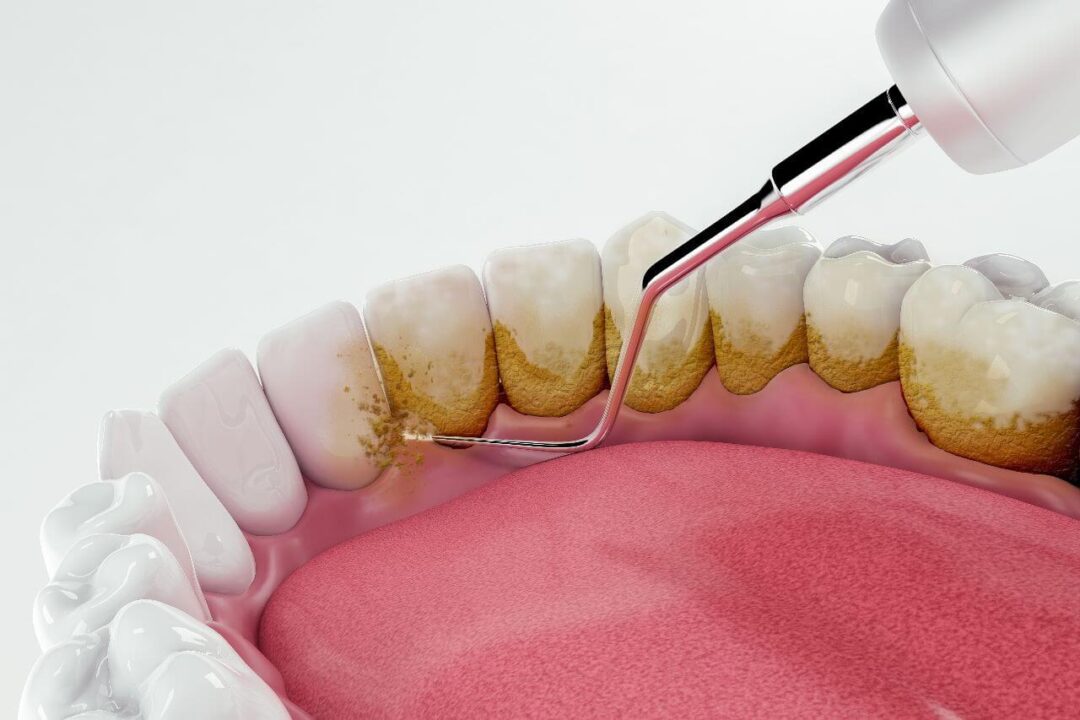
Dental calculus, or what is medically known as Tartar (Calculus), is not something that appears suddenly. Rather, it is the result of a cumulative process that begins with a thin layer that can be easily removed at home, and develops into a hard substance that can only be removed with professional dental tools.
Stages of Formation: From Sticky Plaque to Hardened Calculus
Plaque Stage: The process begins immediately after eating. Food debris, sugar, and proteins in saliva combine to form a thin, sticky, and nearly colorless layer known as “Plaque.” If this layer is not cleaned within 12 to 24 hours, the next stage begins.
Mineralization and Hardening Stage: The plaque begins to absorb minerals from the saliva, causing it to harden and solidify, transforming into calculus (tartar). Once calculus forms, it becomes strongly bound to the tooth surface or tooth root.
The Essential Difference Between Plaque and Calculus (Directed by Dr. Mohamed Omara)
| Feature | Plaque – Initial Stage | Tartar / Calculus – Hardened Stage |
| Composition | Consists of food debris, sugar, saliva, and living bacteria. | Formed by the hardening and mineralization of plaque after absorbing minerals from saliva. |
| Consistency | Soft, sticky, and almost colorless. | Hard, rough, and mineralized. It is usually yellow or dark brown. |
| Removal Method | Can be completely removed through proper daily brushing and flossing at home. | Cannot be removed except with professional dental tools (such as ultrasonic waves). |
| Danger | Causes tooth decay and initial gingivitis. | Causes periodontitis, destruction of supporting bone, and tooth loss. |
Main Types of Calculus
Supragingival Calculus: Appears above the gum line and is whitish-yellow.
Subgingival Calculus: Forms below the gum line in periodontal pockets, and is the most dangerous type as it causes destruction of the supporting bone.
Main Factors and Causes of Rapid Calculus Accumulation
Dr. Mohamed Omara confirms that understanding these factors is the first step towards prevention. Calculus accumulation is not always due to mere negligence, but may be a chemical and biological interaction accelerated by lifestyle:
1. Inefficient Oral Hygiene Routine (Quantity and Quality)
Failure to Floss: Not flossing daily leaves plaque and debris on the side surfaces and between the teeth, an area that represents up to 40% of the tooth surface. This debris hardens and turns into calculus quickly in the absence of mechanical removal.
Wrong Cleaning Timing: Focusing cleaning only in the morning and neglecting brushing before sleep, which is the most critical time. During sleep, saliva flow significantly decreases, reducing the mouth’s ability to wash away acids and bacteria, thus accelerating the hardening of plaque into calculus.
Ineffective Cleaning Technique: Using a strong horizontal scrubbing motion instead of circular movements at a 45-degree angle (as we recommended) does not effectively remove plaque from the gum line.
2. Chemical Nature of Saliva (Saliva Chemistry)
High Mineral Content: In some individuals, saliva is naturally rich in calcium and phosphate compounds. These minerals are the basic material that mineralizes plaque and converts it into hard calculus at a rate faster than normal.
Reduced Saliva Flow (Dry Mouth): Some medical conditions or medications cause dry mouth. Saliva acts as a natural antiseptic and washer for bacteria and acids. When saliva decreases, the concentration of bacteria and plaque increases, and its hardening rate accelerates.
3. Nutritional and Sugary Factors
Starchy and Sticky Foods: Not only simple sugars are the problem, but also starchy foods that break down in the mouth (such as white bread, chips, biscuits). These foods turn into simple sugars and adhere to the teeth for a long time, providing an ideal and continuous environment for bacterial growth and plaque formation.
Frequent Snacking: Eating at close intervals prevents saliva from completing the natural remineralization process of the teeth and maintains a constant acidic environment, accelerating erosion and calculus accumulation.
4. Smoking and Tobacco Consumption
Increased Plaque Adhesion: Nicotine and tar in tobacco make tooth surfaces rougher and stickier, making it easier for plaque to adhere to them more strongly.
Change in Gum Function: Smoking reduces blood flow to the gums, hindering their ability to fight infection and accelerating the development of plaque into subgingival calculus.
5. Anatomical Features and Irregular Teeth
Crowding or Crooked Teeth (Malocclusion): Crowded teeth create angles and crevices that are very difficult for a toothbrush or floss to reach. These areas become safe havens for plaque that hardens without removal.
Old or Ill-fitting Dental Restorations: Crowns, bridges, or old fillings with unsealed margins can form excellent “depositories” for plaque to accumulate and harden around their edges.
Damages and Risks of Neglecting Calculus Removal
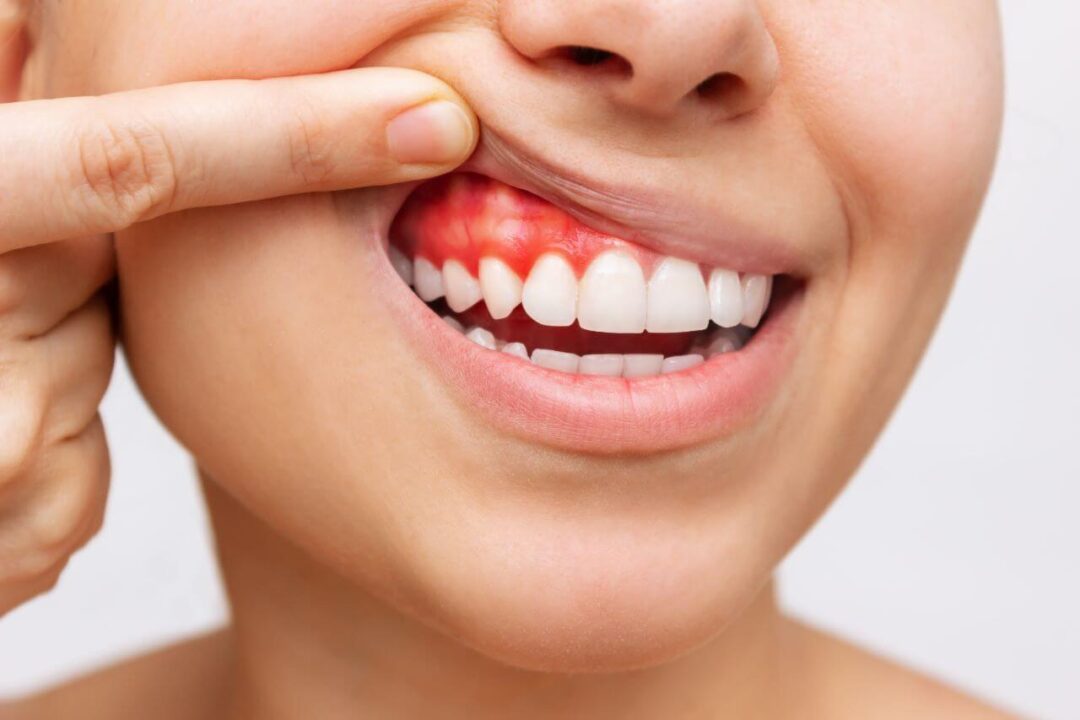
Neglecting calculus removal is the root cause of most oral diseases that progress from a simple problem to a serious threat.
Aesthetic and Psychological Deterioration
Appearance Distortion: Calculus is a rough substance that easily absorbs stains, leading to the appearance of yellow or dark brown spots.
Chronic Bad Breath (Halitosis): Calculus is composed of living bacterial colonies, which are the main source of chronic bad breath.
Gingivitis and Onset of Bleeding
Gums become red, swollen, and bleed easily upon minimal contact. At this stage, the damage is completely reversible.
Periodontitis: Loss of Supporting Bone
If gingivitis is left untreated, it progresses to chronic inflammation that threatens the supporting structure of the teeth, leading to: formation of periodontal pockets and bone resorption around the tooth root.
The Advanced Stage: Loose Teeth and Tooth Loss
Bone loss leads to teeth losing their primary support, so they become loose (Mobile), and may fall out or require extraction, leading to the need for costly implants or restorations.
Risks Beyond Oral Health (Systemic Health)
Cardiovascular Diseases: It is believed that bacteria and inflammatory compounds can travel through the bloodstream to the arteries.
Diabetes: Gum disease makes controlling blood sugar levels more difficult.
Comprehensive Advantages and Benefits of Dental Scaling
Regular cleaning visits are a direct investment in your quality of life and general health, with multiple benefits covering functional, aesthetic, and psychological aspects:
Enhancing Gum Health and Preventing Serious Diseases
Calculus removal is the key step that stops the progression of gum diseases. When calculus is removed, the gum tissue immediately begins to heal, leading to:
Elimination of Gum Bleeding and Swelling: Gums return to their healthy color (pale pink) and become stronger around the teeth.
Preventing Gum Recession and Pocket Formation: The bacterial environment under the gum line is sealed off, which protects the roots from exposure and prevents the erosion of the jaw bone supporting the teeth.
Complete Protection Against Decay: Calculus removal means removing millions of bacteria that produce the acids causing tooth erosion and decay, especially root decay.
Restoring Natural Beauty of Smile and Self-Confidence
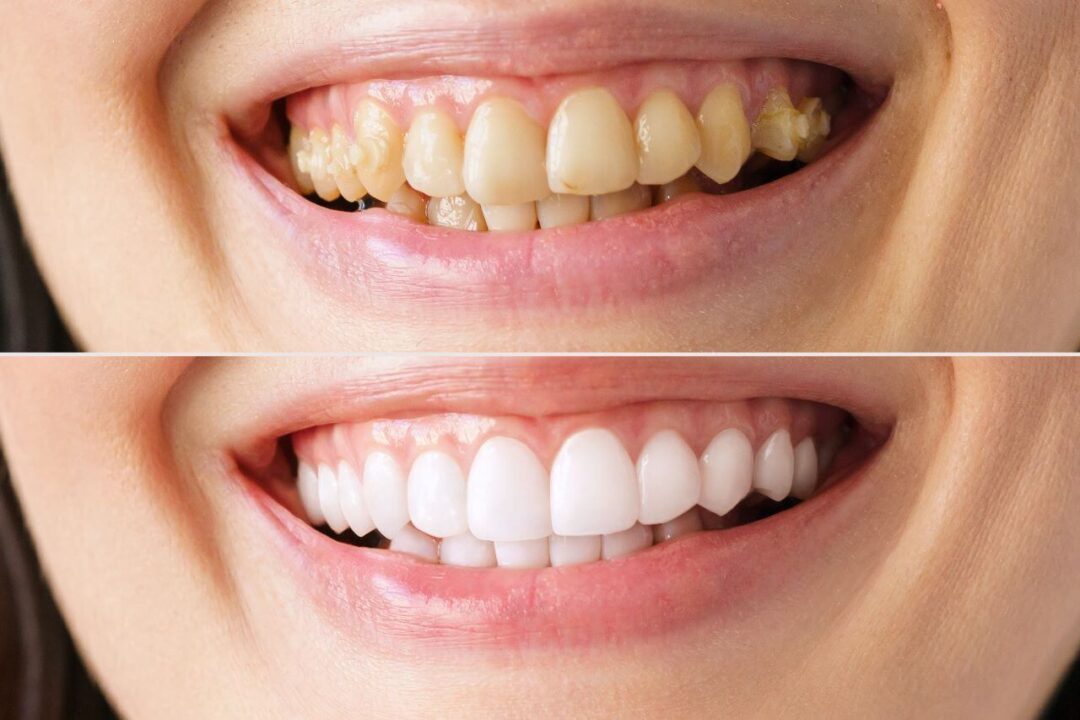
Calculus is inherently a rough material that absorbs stains and makes teeth look dull and covered in spots. The aesthetic benefits of cleaning include:
Restoring Natural Whiteness: All superficial stains and discolorations (caused by coffee, tea, and smoking) are removed, restoring teeth to their natural color and increasing enamel luster. If you want your teeth whiter than their natural shade, that requires teeth whitening.
Combating Chronic Bad Breath (Halitosis): Removing the source of bacteria and colonies that produce foul-smelling sulfur gases, leading to fresher, cleaner breath that lasts with good daily care.
Boosting Self-Confidence: Having a healthy mouth and clean smile has a tremendous positive psychological impact, giving you the boldness to speak and smile in social situations without hesitation.
Functional Benefits and Maintaining Tooth Strength
Maintaining Tooth Linkage Strength: Cleaning protects the bone and ligaments supporting the teeth from erosion, a vital step to ensure long-term tooth stability, especially for diabetic patients or those with weakened immunity.
Improving Taste Sensation: Plaque and calculus buildup can cover taste buds on the tongue or interfere with oral sensation. Removing it leads to an improved sensation of the taste of foods and drinks.
Facilitating Restorative and Cosmetic Procedures: Having a mouth free of calculus and inflammation ensures the success of any subsequent cosmetic or restorative procedure (such as veneer placement, crowns, or dental fillings).
When Should You Visit the Dental Center for Calculus Removal? The Optimal Timing
Standard Case (Routine): Most individuals are advised to visit the dentist for a comprehensive cleaning and check-up every six months (twice a year).
High-Risk Cases: More frequent visits may be necessary every three or four months (for smokers or those with a history of advanced gum disease).
Dental Scaling Technique at Dr. Mohamed Omara Center (Professional Steps)
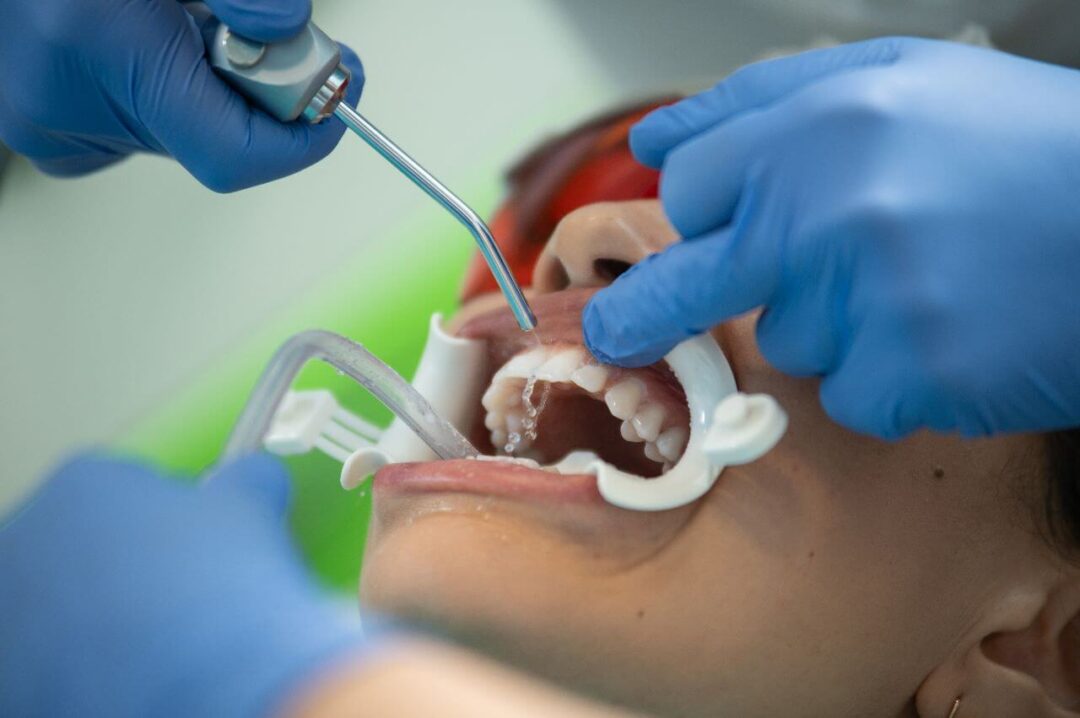
At our center, the procedure is performed under the direct supervision and personal follow-up of Dr. Mohamed Omara.
Initial Examination and Personal Supervision
The procedure begins with a precise examination conducted under the direct supervision of Dr. Mohamed Omara to ensure the most effective and accurate treatment plan is determined.
Use of Ultrasonic Scalers
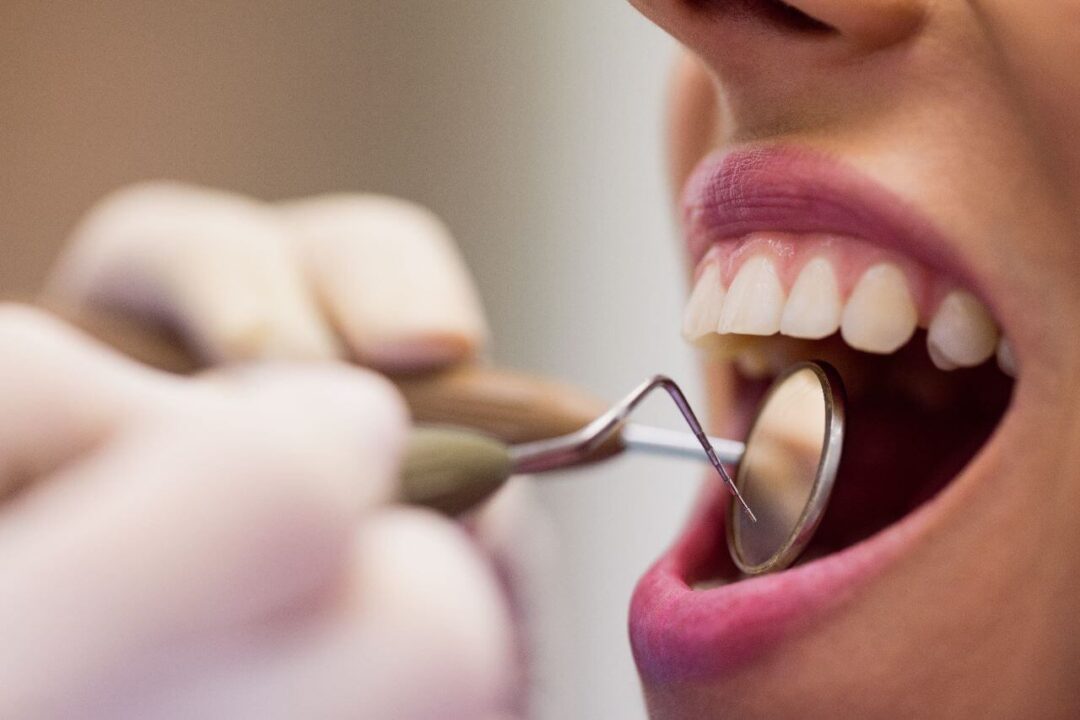
We use modern devices that utilize high-frequency vibrations (ultrasonic waves) to break down and shatter hard calculus from the tooth surface and roots without strong, painful scraping.
Manual Scaling and Polishing Procedure (Scaling and Polishing)
After removing calculus with ultrasonic waves, fine manual tools are used to clean any remnants, and then the teeth are polished to reduce the re-adhesion of plaque.
Advanced Air Polishing Technique (The Quality Touch at Our Center)
This technique is considered an addition to ensure deep cleaning, using a powerful stream of air and special powder to remove stains and deposits from fine crevices.
Does Dental Scaling Cause Pain? Dispelling Common Myths
The routine procedure does not cause pain; the patient feels only some light pressure or vibration.
When Might Sensitivity Occur? And What is the Solution?
Sensitivity may occur in cases of severe gum inflammation or when performing deep root cleaning.
The Solution at Our Center: Dr. Mohamed Omara Center provides the option of using effective local anesthesia in these cases to make the procedure more comfortable.
Temporary Sensitivity After Scaling
It is normal to feel slight sensitivity to cold or heat for a day or two after the procedure, which resolves spontaneously.
Omara Dental Centers
Cost of Dental Scaling in Egypt (Price Determining Factors)
When searching for the cost of calculus cleaning in Egypt, the factors reflecting the quality of the procedure and the doctor’s experience must be considered:
Estimated Price Note: Approximately, the price of routine cleaning in specialized centers ranges from 500 EGP to 2,000 EGP (Egyptian Pounds), approximately $10–40, and the cost increases depending on the amount of calculus and the type of cleaning required (routine or deep).
Detail of Cost Determining Factors: Quality vs. Value
1. Type of Cleaning and Depth of Procedure
Routine Cleaning (Prophylaxis): The price is in the lower range, as only supragingival calculus is removed. It does not require anesthesia and the session duration is short (30-45 minutes).
Deep Scaling (Scaling and Root Planing): The price is much higher, often requiring more than one session (up to 4 sessions) and the application of local anesthesia. This procedure is necessary when there are deep periodontal pockets and requires exceptional skill to remove hardened calculus from the tooth roots, which justifies the additional cost.
2. Techniques and Equipment Used
Modern Techniques (Ultrasonic and Air Polishing): Centers that invest in the latest equipment (as is the case at Dr. Omara’s center) offer greater comfort, less treatment time, and more precise cleaning (especially Air Polishing for removing fine stains). This quality in technology raises the value and cost of the service compared to relying solely on manual tools.
Sterilization Standards: The cost also reflects the application of the highest sterilization standards (ISO) to prevent cross-contamination, which is a non-negotiable factor.
3. Doctor's Experience and International Qualifications
- Documented Quality: A center led by a specialized doctor with international experience and qualifications such as Dr. Mohamed Omara (Master’s from Parma University, Italy) ensures accurate diagnosis and treatment that reduces the likelihood of complications and rapid calculus recurrence. You are paying here for experience and guarantee, not just the procedure.

Can Calculus be Removed While Wearing Braces?
The answer is yes, it can and should be removed during the orthodontic treatment period.
Given Dr. Mohamed Omara’s extensive experience in orthodontics and cosmetic dentistry, specialized tools and gentle methods are used to ensure calculus is removed around the wires and brackets without damaging the orthodontic appliance.
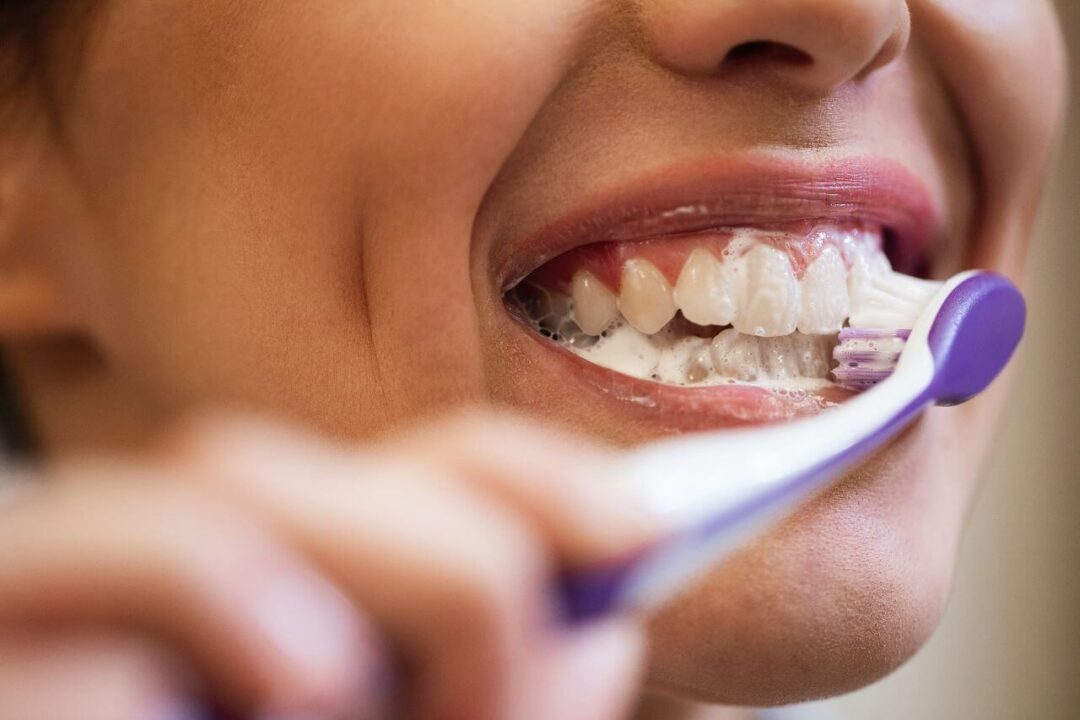
Dr. Mohamed Omara's Tips for Preventing Calculus Recurrence: Global Standard Preventive Routine
Dr. Mohamed Omara asserts that adherence to these daily guidelines is the key to long-term oral health:
Mastering the Brushing Technique (45 degrees)
The Correct Angle (45 degrees): Place the brush at a 45-degree angle to the gum line.
The Two Minutes, Two Times Rule: Brush your teeth for a full two minutes each time, at least twice a day.
Interdental Cleaning (Water and Traditional Floss)
Floss Daily Without Hesitation: Use dental floss at least once a day.
Water Flosser Device: For those with sensitive gums or those wearing fixed dental appliances, the Water Flosser is an excellent solution recommended by the center.
Dietary Management and Lifestyle
Limit Sugars: Reduce your intake of sugary foods and drinks.
Water First: Drink plenty of water throughout the day.
Adherence to Professional Examination Schedule (Dr. Omara’s Continuous Supervision)
Commit to visiting the center for a comprehensive check-up and cleaning every six months to ensure early detection of any new calcifications.

Post-Scaling Care and Immediate Recovery
To maintain excellent results, a precise care plan must be followed after leaving the center:
What to Expect in the First 24 Hours?
Temporary Sensitivity: A feeling of slight tingling or sensitivity when consuming cold drinks.
Slight Bleeding: You might notice a very small amount of blood coming from the inflamed gums, which is normal and indicates the beginning of recovery.
Dietary Plan for the First Few Days
Soft Foods: It is preferable to eat soft foods on the first day such as soup and yogurt.
Avoid Irritants: Avoid dark colorants (like coffee and tea) and extremely hot/cold foods for 48 hours.
Using Salt Water Rinse to Promote Recovery
The center recommends using a rinse made of half a teaspoon of salt dissolved in a cup of warm water to help soothe the gums and promote recovery.
Most Common Questions About Dental Scaling (Dr. Mohamed Omara's Answers)
A routine session usually takes between 30 to 45 minutes.
This is a common and incorrect myth. Calculus removal does not harm tooth enamel at all, and the feeling of gaps is due to the removal of the calculus that was filling them.
Hardened calculus cannot be removed at home with any natural remedy. Once calculus has hardened, a visit to the specialized dentist becomes an absolute necessity.
Professional cleaning removes superficial stains and discolorations caused by calculus, restoring the teeth to their natural color. However, it is not considered a substitute for chemical whitening.
Routine Cleaning: Focuses on removing calculus accumulated above the gum line. Deep Scaling/Root Planing: Is performed when calculus is accumulated deep inside the periodontal pockets and on the tooth roots, and it requires local anesthesia.
Yes, plaque can start accumulating within hours of cleaning, but it typically takes 10 to 14 days to harden and turn into solid calculus again.
Absolutely. Smoking is a major factor in increasing the speed of calculus and plaque accumulation and darkening its color.
No, ultrasonic cleaning or manual scaling does not affect dental fillings, crowns, or porcelain veneers. The tools used are specially designed to be safe.
For most people, every 6 months. Smokers and people with gum disease or diabetes may need cleaning every 3 to 4 months, as recommended by the dentist.
Usually not. You may feel vibration and cold water, and mild sensitivity to hot or cold may last a day or two. For deep cleaning, the dentist may use local anesthesia to keep you comfortable.
In 2026, routine cleaning costs approximately 500 to 2,000 EGP (about $10–40), depending on the amount of tartar and the type of cleaning. Deep scaling (root planing) costs more.
Yes. Cleaning is safe and even recommended during pregnancy, because hormonal changes increase gum inflammation. It is best done in the second trimester, and you should tell the dentist that you are pregnant.
You can eat after about 30 minutes, or after an hour if fluoride was applied. It is best to avoid dark drinks such as coffee and tea, and very hot or cold foods, for 48 hours.
Scaling removes hardened tartar with an ultrasonic device and hand instruments. Polishing is done afterwards to smooth the tooth surface and remove surface stains, which makes it harder for plaque to stick again.
Success Stories and Patient Testimonials at Dr. Mohamed Omara Center
To see the success stories and smile transformations achieved under the direct supervision of Dr. Mohamed Omara, we invite you to check patient reviews and testimonials. These real experiences confirm our commitment to achieving tangible results and patient comfort.
Conclusion: Why Dr. Mohamed Omara Center is Your Best Choice?
The process of dental calculus removal is a necessary procedure to maintain your smile and oral health in the long term. When you choose Dr. Mohamed Omara Center, you are choosing international expertise and trusted quality guaranteed by Dr. Mohamed Omara with his certificate from Parma University in Italy and the ISO certification, and his direct supervision of your case.
Your oral health deserves the best. Do not postpone your decision and your preventive step.
Book your appointment now at Dr. Mohamed Omara Dental Center and enjoy the highest level of specialized care in Egypt.